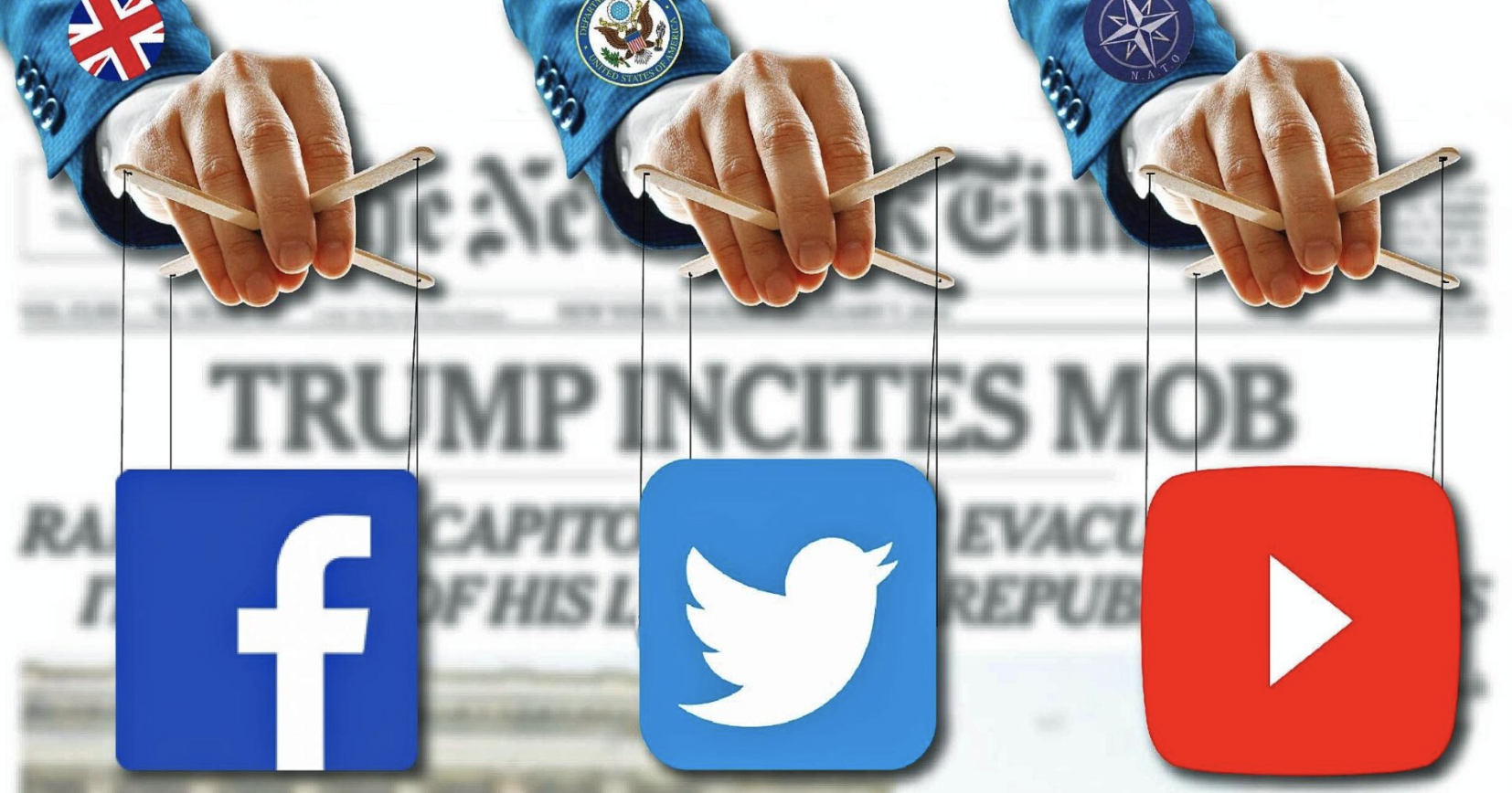
November 28, 2022 at 07:05AM Facebook Confirms It Has Ties to a U.S. Military Propaganda Campaign
In case you were unaware, big tech companies have been working with the United States military to control the official narratives using propaganda. One such covert operation has been confirmed by Meta, Facebook’s parent company and they were pushing pro-U.S. and anti-Russia narratives.
Meta has acknowledged the discovery of several clusters of fake accounts and pages believed to be linked to individuals “associated with the US military,” according to the company’s latest adversarial threat report published this week according to a report by RT. The U.S. ruling class has been trying to control and brainwash the public into compliance with their enslavement for decades. This isn’t news, except, Meta is now admitting it.
“Although the people behind this operation attempted to conceal their identities and coordination, our investigation found links to individuals associated with the US military,” the company saidin a blog post on Tuesday.
The influence campaign was discovered earlier this year and in total Meta removed 39 Facebook and 26 Instagram accounts, as well as 16 pages and two groups, all for violating the company’s policy against “coordinated inauthentic behavior.”
Don’t eat crickets when food shortages really start hitting in America. Eat organic, freeze-dried, sous vide chicken that you can store for a decade or two if necessary. FLASH SALE happening now at Prepper Organics, $50 off with promo code “survive2030“.
The social media giant admitted that the large-scale operation ran beyond those several dozen accounts and across many other internet platforms, including Twitter, YouTube and Telegram – as well as major Russian social networks VKontakte and Odnoklassniki. It seemingly attempted to downplay the discovery by insisting that the “majority of this operation’s posts had little to no engagement from authentic communities” and highlighting similar “deceptive campaigns”by China and Russia.-RT
Meta’s acknowledgment substantiates a bombshell investigation by the Washington Post that revealed the Pentagon was forced to launch a “sweeping audit of how it conducts clandestine information warfare,” after a variety of social media accounts, which its operatives used to target foreign audiences in elaborate psychological warfare efforts, were exposed.
The ruling class will stop at nothing to ensure complete compliance and total enslavement of humanity. We need to continue to be aware of what they are doing as a way to cement and expand their own power. If they can no longer control the narrative and the flow of information, they will lose and they know it.
Meta is pretending to be the innocent victim in this, but they knew what was going on and what the ruling class is doing to its subjects. They have been guilty of all kinds of censorship and we know they are working with the masters to keep the slaves distracted, deceived, and divided.
Elon Musk Wears Baphomet Costume to Halloween Party
https://ift.tt/3YgrLwA
While pundits have been praising Elon Musk for seemingly restoring a sense of sanity at Twitter, others were keen to point out his strange Halloween costume with an image of Baphomet engrained on his chest.
Even more, the image of Baphomet features an inverted Christian cross.
In fact, Musk made the point of posing for dozens of press photographs showing off the costume, with some of the photos presented below:
Taylor Hill / GettyTaylor Hill / Getty
“It’s not clear what Musk was supposed to be dressed as for [Heidi] Klum’s celebration,” the Daily Mail admitted.
Keep in mind that between Tesla cars, nanochip technology and Starlink, Elon Musk has been pushing what’s considered the forefront of transhumanist technology, while at the same time criticizing the movement, so it’s fair to ask what is his true agenda – and how the acquisition of Twitter fits into his gameplan.
Is Elon Musk simply attempting full-spectrum dominance of world events for himself rather than being a part of the system? Is he simply the public figure of the system? Or is he quietly rebelling against the system from behind the scenes?
Tucker Carlson Discusses Leaked Documents Reflecting Direct DHS Portals to Social Media Companies
My suspicious cat sensibilities are triggered by the timing of these “leaked explosive documents,” in relation to the Elon Musk Twitter takeover. That said, here is Tucker Carlson interviewing Intercept journalist Lee Fang. {Direct Rumble Link} – WATCH:
.
Lee Fang… “Over the last five years“… Yeah, bulls**t on that. Sorry. CTH has outlined in painstakingly granular detail, the weaponization of the networks involved began immediately after January 2009 – specifically right after Obama’s Cairo speech that kicked off the ‘Arab Spring‘ movement. That’s when Facebook and Twitter were recruited for participation in the construct.
After a few years of beta-testing the govt-corporate relationship, and simultaneously measuring the influence factor, things sped up, and by 2011 Obama-era DHS operatives began collaborating with Big Tech in constructing the modern surveillance and influence system for domestic rollout.
This system didn’t just pop-up “over the past five years.” A timeframe which, not coincidentally according to the Intercept, removes Barack H Obama from the era of accountability. The effort to construct a fraudulent timeline makes me even more suspicious of this “leak.”
Tucker Carlson saying “I’m not sure why you wrote this“… indicates to me his own awareness of the suspicious timing. Watch the other hand.
via The Last Refuge
November 1, 2022 at 06:00AM
Leaked Documents Outline DHS’s Plans to Police Disinformation
The Department of Homeland Security is quietly broadening its efforts to curb speech it considers dangerous, an investigation by The Intercept has found. Years of internal DHS memos, emails, and documents — obtained via leaks and an ongoing lawsuit, as well as public documents — illustrate an expansive effort by the agency to influence tech platforms.
The work, much of which remains unknown to the American public, came into clearer view earlier this year when DHS announced a new “Disinformation Governance Board”: a panel designed to police misinformation (false information spread unintentionally), disinformation (false information spread intentionally), and malinformation (factual information shared, typically out of context, with harmful intent) that allegedly threatens U.S. interests. While the board was widely ridiculed, immediately scaled back, and then shut down within a few months, other initiatives are underway as DHS pivots to monitoring social media now that its original mandate — the war on terror — has been wound down.
Behind closed doors, and through pressure on private platforms, the U.S. government has used its power to try to shape online discourse. According to meeting minutes and other records appended to a lawsuit filed by Missouri Attorney General Eric Schmitt, a Republican who is also running for Senate, discussions have ranged from the scale and scope of government intervention in online discourse to the mechanics of streamlining takedown requests for false or intentionally misleading information.
Key Takeaways
Though DHS shuttered its controversial Disinformation Governance Board, a strategic document reveals the underlying work is ongoing.
DHS plans to target inaccurate information on “the origins of the COVID-19 pandemic and the efficacy of COVID-19 vaccines, racial justice, U.S. withdrawal from Afghanistan, and the nature of U.S. support to Ukraine.”
Facebook created a special portal for DHS and government partners to report disinformation directly.
“Platforms have got to get comfortable with gov’t. It’s really interesting how hesitant they remain,” Microsoft executive Matt Masterson, a former DHS official, texted Jen Easterly, a DHS director, in February.
In a March meeting, Laura Dehmlow, an FBI official, warned that the threat of subversive information on social media could undermine support for the U.S. government. Dehmlow, according to notes of the discussion attended by senior executives from Twitter and JPMorgan Chase, stressed that “we need a media infrastructure that is held accountable.”
“We do not coordinate with other entities when making content moderation decisions, and we independently evaluate content in line with the Twitter Rules,” a spokesperson for Twitter wrote in a statement to The Intercept.
There is also a formalized process for government officials to directly flag content on Facebook or Instagram and request that it be throttled or suppressed through a special Facebook portal that requires a government or law enforcement email to use. At the time of writing, the “content request system” at facebook.com/xtakedowns/login is still live. DHS and Meta, the parent company of Facebook, did not respond to a request for comment. The FBI declined to comment.
DHS’s mission to fight disinformation, stemming from concerns around Russian influence in the 2016 presidential election, began taking shape during the 2020 election and over efforts to shape discussions around vaccine policy during the coronavirus pandemic. Documents collected by The Intercept from a variety of sources, including current officials and publicly available reports, reveal the evolution of more active measures by DHS.
According to a draft copy of DHS’s Quadrennial Homeland Security Review, DHS’s capstone report outlining the department’s strategy and priorities in the coming years, the department plans to target “inaccurate information” on a wide range of topics, including “the origins of the COVID-19 pandemic and the efficacy of COVID-19 vaccines, racial justice, U.S. withdrawal from Afghanistan, and the nature of U.S. support to Ukraine.”
“The challenge is particularly acute in marginalized communities,” the report states, “which are often the targets of false or misleading information, such as false information on voting procedures targeting people of color.”
The inclusion of the 2021 U.S. withdrawal from Afghanistan is particularly noteworthy, given that House Republicans, should they take the majority in the midterms, have vowed to investigate. “This makes Benghazi look like a much smaller issue,” said Rep. Mike Johnson, R-La., a member of the Armed Services Committee, adding that finding answers “will be a top priority.”
How disinformation is defined by the government has not been clearly articulated, and the inherently subjective nature of what constitutes disinformation provides a broad opening for DHS officials to make politically motivated determinations about what constitutes dangerous speech.
The inherently subjective nature of what constitutes disinformation provides a broad opening for DHS officials to make politically motivated determinations about what constitutes dangerous speech.
DHS justifies these goals — which have expanded far beyond its original purview on foreign threats to encompass disinformation originating domestically — by claiming that terrorist threats can be “exacerbated by misinformation and disinformation spread online.” But the laudable goal of protecting Americans from danger has often been used to conceal political maneuvering. In 2004, for instance, DHS officials faced pressure from the George W. Bush administration to heighten the national threat level for terrorism, in a bid to influence voters prior to the election, according to former DHS Secretary Tom Ridge. U.S. officials have routinely lied about an array of issues, from the causes of its wars in Vietnam and Iraq to their more recent obfuscation around the role of the National Institutes of Health in funding the Wuhan Institute of Virology’s coronavirus research.
That track record has not prevented the U.S. government from seeking to become arbiters of what constitutes false or dangerous information on inherently political topics. Earlier this year, Republican Gov. Ron DeSantis signed a law known by supporters as the “Stop WOKE Act,” which bans private employers from workplace trainings asserting an individual’s moral character is privileged or oppressed based on his or her race, color, sex, or national origin. The law, critics charged, amounted to a broad suppression of speech deemed offensive. The Foundation for Individual Rights and Expression, or FIRE, has since filed a lawsuit against DeSantis, alleging “unconstitutional censorship.” A federal judge temporarily blocked parts of the Stop WOKE Act, ruling that the law had violated workers’ First Amendment rights.
“Florida’s legislators may well find plaintiffs’ speech ‘repugnant.’ But under our constitutional scheme, the ‘remedy’ for repugnant speech is more speech, not enforced silence,” wrote Judge Mark Walker, in a colorful opinion castigating the law.
The extent to which the DHS initiatives affect Americans’ daily social feeds is unclear. During the 2020 election, the government flagged numerous posts as suspicious, many of which were then taken down, documents cited in the Missouri attorney general’s lawsuit disclosed. And a 2021 report by the Election Integrity Partnership at Stanford University found that of nearly 4,800 flagged items, technology platforms took action on 35 percent — either removing, labeling, or soft-blocking speech, meaning the users were only able to view content after bypassing a warning screen. The research was done “in consultation with CISA,” the Cybersecurity and Infrastructure Security Agency.
Prior to the 2020 election, tech companies including Twitter, Facebook, Reddit, Discord, Wikipedia, Microsoft, LinkedIn, and Verizon Media met on a monthly basis with the FBI, CISA, and other government representatives. According to NBC News, the meetings were part of an initiative, still ongoing, between the private sector and government to discuss how firms would handle misinformation during the election.
Homeland Security Secretary Kirstjen Nielsen stands alongside President Donald Trump as he speaks prior to signing the Cybersecurity and Infrastructure Security Agency Act in the Oval Office of the White House in Washington, D.C., on Nov. 16, 2018.
Photo: Saul Loeb/AFP via Getty Images
The stepped up counter-disinformation effort began in 2018 following high-profile hacking incidents of U.S. firms, when Congress passed and President Donald Trump signed the Cybersecurity and Infrastructure Security Agency Act, forming a new wing of DHS devoted to protecting critical national infrastructure. An August 2022 report by the DHS Office of Inspector General sketches the rapidly accelerating move toward policing disinformation.
From the outset, CISA boasted of an “evolved mission” to monitor social media discussions while “routing disinformation concerns” to private sector platforms.
In 2018, then-DHS Secretary Kirstjen Nielsen created the Countering Foreign Influence Task Force to respond to election disinformation. The task force, which included members of CISA as well as its Office of Intelligence and Analysis, generated “threat intelligence” about the election and notified social media platforms and law enforcement. At the same time, DHS began notifying social media companies about voting-related disinformation appearing on social platforms.
Key Takeaways, Cont’d.
The work is primarily done by CISA, a DHS sub-agency tasked with protecting critical national infrastructure.
DHS, the FBI, and several media entities are having biweekly meetings as recently as August.
DHS considered countering disinformation relating to content that undermines trust in financial systems and courts.
The FBI agent who primed social media platforms to take down the Hunter Biden laptop story continued to have a role in DHS policy discussions.
In 2019, DHS created a separate entity called the Foreign Influence and Interference Branch to generate more detailed intelligence about disinformation, the inspector general report shows. That year, its staff grew to include 15 full- and part-time staff dedicated to disinformation analysis. In 2020, the disinformation focus expanded to include Covid-19, according to a Homeland Threat Assessment issued by Acting Secretary Chad Wolf.
This apparatus had a dry run during the 2020 election, when CISA began working with other members of the U.S. intelligence community. Office of Intelligence and Analysis personnel attended “weekly teleconferences to coordinate Intelligence Community activities to counter election-related disinformation.” According to the IG report, meetings have continued to take place every two weeks since the elections.
Emails between DHS officials, Twitter, and the Center for Internet Security outline the process for such takedown requests during the period leading up to November 2020. Meeting notes show that the tech platforms would be called upon to “process reports and provide timely responses, to include the removal of reported misinformation from the platform where possible.” In practice, this often meant state election officials sent examples of potential forms of disinformation to CISA, which would then forward them on to social media companies for a response.
Under President Joe Biden, the shifting focus on disinformation has continued. In January 2021, CISA replaced the Countering Foreign Influence Task force with the “Misinformation, Disinformation and Malinformation” team, which was created “to promote more flexibility to focus on general MDM.” By now, the scope of the effort had expanded beyond disinformation produced by foreign governments to include domestic versions. The MDM team, according to one CISA official quoted in the IG report, “counters all types of disinformation, to be responsive to current events.”
Jen Easterly, Biden’s appointed director of CISA, swiftly made it clear that she would continue to shift resources in the agency to combat the spread of dangerous forms of information on social media. “One could argue we’re in the business of critical infrastructure, and the most critical infrastructure is our cognitive infrastructure, so building that resilience to misinformation and disinformation, I think, is incredibly important,” said Easterly, speaking at a conference in November 2021.
CISA’s domain has gradually expanded to encompass more subjects it believes amount to critical infrastructure. Last year, The Intercept reported on the existence of a series of DHS field intelligence reports warning of attacks on cell towers, which it has tied to conspiracy theorists who believe 5G towers spread Covid-19. One intelligence report pointed out that these conspiracy theories “are inciting attacks against the communications infrastructure.”
CISA has defended its burgeoning social media monitoring authorities, stating that “once CISA notified a social media platform of disinformation, the social media platform could independently decide whether to remove or modify the post.” But, as documents revealed by the Missouri lawsuit show, CISA’s goal is to make platforms more responsive to their suggestions.
In late February, Easterly texted with Matthew Masterson, a representative at Microsoft who formerly worked at CISA, that she is “trying to get us in a place where Fed can work with platforms to better understand mis/dis trends so relevant agencies can try to prebunk/debunk as useful.”
Meeting records of the CISA Cybersecurity Advisory Committee, the main subcommittee that handles disinformation policy at CISA, show a constant effort to expand the scope of the agency’s tools to foil disinformation.
In June, the same DHS advisory committee of CISA — which includes Twitter head of legal policy, trust, and safety Vijaya Gadde and University of Washington professor Kate Starbird — drafted a report to the CISA director calling for an expansive role for the agency in shaping the “information ecosystem.” The report called on the agency to closely monitor “social media platforms of all sizes, mainstream media, cable news, hyper partisan media, talk radio and other online resources.” They argued that the agency needed to take steps to halt the “spread of false and misleading information,” with a focus on information that undermines “key democratic institutions, such as the courts, or by other sectors such as the financial system, or public health measures.”
To accomplish these broad goals, the report said, CISA should invest in external research to evaluate the “efficacy of interventions,” specifically with research looking at how alleged disinformation can be countered and how quickly messages spread. Geoff Hale, the director of the Election Security Initiative at CISA, recommended the use of third-party information-sharing nonprofits as a “clearing house for information to avoid the appearance of government propaganda.”
Last Thursday, immediately following billionaire Elon Musk’s completed acquisition of Twitter, Gadde was terminated from the company.
Alejandro Mayorkas, secretary of the Department of Homeland Security, speaks during a new conference in Brownsville, Texas, on Aug. 12, 2021.
Photo: Veronica G. Cardenas/Bloomberg via Getty Images
The Biden administration, however, did take a stab at making part of this infrastructure public in April 2022, with the announcement of the Disinformation Governance Board. The exact functions of the board, and how it would accomplish its goal of defining and combating MDM, were never made clear.
The board faced immediate backlash across the political spectrum. “Who among us thinks the government should add to its work list the job of determining what is true and what is disinformation? And who thinks the government is capable of telling the truth?” wrote Politico media critic Jack Shafer. “Our government produces lies and disinformation at industrial scale and always has. It overclassifies vital information to block its own citizens from becoming any the wiser. It pays thousands of press aides to play hide the salami with facts.”
DHS Secretary Alejandro Mayorkas alluded to broad scope of the agency’s disinformation effort when he told the Senate Homeland Security and Governmental Affairs Committee that the role of the board — which by that point had been downgraded to a “working group” — is to “actually develop guidelines, standards, guardrails to ensure that the work that has been ongoing for nearly 10 years does not infringe on people’s free speech rights, rights of privacy, civil rights, and civil liberties.”
“It was quite disconcerting, frankly,” he added, “that the disinformation work that was well underway for many years across different independent administrations was not guided by guardrails.”
DHS eventually scrapped the Disinformation Governance Board in August. While free speech advocates cheered the dissolution of the board, other government efforts to root out disinformation have not only continued but expanded to encompass additional DHS sub-agencies like Customs and Border Protection, which “determines whether information about the component spread through social media platforms like Facebook and Twitter is accurate.” Other agencies such as Immigration and Customs Enforcement, the Science and Technology Directorate (whose responsibilities include “determining whether social media accounts were bots or humans and how the mayhem caused by bots affects behavior”), and the Secret Service have also expanded their purview to include disinformation, according to the inspector general report.
The draft copy of DHS’s 2022 Quadrennial Homeland Security Review reviewed by The Intercept also confirms that DHS views the issue of tackling disinformation and misinformation as a growing portion of its core duties. While “counterterrorism remains the first and most important mission of the Department,” it notes, the agency’s “work on these missions is evolving and dynamic” and must now adapt to terror threats “exacerbated by misinformation and disinformation spread online” including by “domestic violent extremists.”
To accomplish this, the draft quadrennial review calls for DHS to “leverage advanced data analytics technology and hire and train skilled specialists to better understand how threat actors use online platforms to introduce and spread toxic narratives intended to inspire or incite violence, as well as work with NGOs and other parts of civil society to build resilience to the impacts of false information.”
The broad definition of “threat actors” posing risks to vaguely defined critical infrastructure — an area as broad as trust in government, public health, elections, and financial markets — has concerned civil libertarians. “No matter your political allegiances, all of us have good reason to be concerned about government efforts to pressure private social media platforms into reaching the government’s preferred decisions about what content we can see online,” said Adam Goldstein, the vice president of research at FIRE.
“Any governmental requests to social media platforms to review or remove certain content,” he added, “should be made with extreme transparency.”
A tweet about the FBI is displayed during a Senate Homeland Security and Governmental Affairs Committee hearing regarding social media’s impact on homeland security on Capitol Hill in Washington, D.C., on Sept. 14, 2022.
Photo: Stefani Reynolds/AFP via Getty Images
DHS’s expansion into misinformation, disinformation, and malinformation represents an important strategic retooling for the agency, which was founded in 2002 in response to the 9/11 attacks as a bulwark to coordinate intelligence and security operations across the government. At the same time, the FBI deployed thousands of agents to focus on counterterrorism efforts, through building informant networks and intelligence operations designed to prevent similar attacks.
But traditional forms of terrorism, posed by groups like Al Qaeda, evolved with the rise of social media, with groups like the Islamic State using platforms such as Facebook to recruit and radicalize new members. After initial reluctance, social media giants worked closely with the FBI and DHS to help monitor and remove ISIS-affiliated accounts.
FBI Director James Comey told the Senate Intelligence Committee that law enforcement agencies needed to rapidly “adapt and confront the challenges” posed by terror networks that had proven adept at tapping into social media. Intelligence agencies backed new startups designed to monitor the vast flow of information across social networks to better understand emerging narratives and risks.
“The Department has not been fully reauthorized since its inception over fifteen years ago,” the Senate Homeland Security Committee warned in 2018. “As the threat landscape continues to evolve, the Department adjusted its organization and activities to address emerging threats and protect the U.S. homeland. This evolution of the Department’s duties and organization, including the structure and operations of the DHS Headquarters, has never been codified in statute.”
The subsequent military defeat of ISIS forces in Syria and Iraq, along with the withdrawal from Afghanistan, left the homeland security apparatus without a target. Meanwhile, a new threat entered the discourse. The allegation that Russian agents had seeded disinformation on Facebook that tipped the 2016 election toward Donald Trump resulted in the FBI forming the Foreign Influence Task Force, a team devoted to preventing foreign meddling in American elections.
According to DHS meeting minutes from March, the FBI’s Foreign Influence Task Force this year includes 80 individuals focused on curbing “subversive data utilized to drive a wedge between the populace and the government.”
“The Department will spearhead initiatives to raise awareness of disinformation campaigns targeting communities in the United States, providing citizens the tools necessary to identify and halt the spread of information operations intended to promote radicalization to violent extremism or mobilization to violence,” DHS Acting Secretary Kevin McAleenan said in a September 2019 strategic framework.
DHS also began to broaden its watch to include a wide array of domestic actors viewed as potential sources of radicalization and upheaval. An FBI official interviewed by The Intercept described how, in the summer of 2020, amid the George Floyd protests, he was reassigned from his normal job of countering foreign intelligence services to monitoring American social media accounts. (The official, not authorized to speak publicly, described the reassignment on condition of anonymity.)
And a June 2020 memo bearing the subject line “Actions to Address the Threat Posed by Domestic Terrorists and Other Domestic Extremists” prepared by DHS headquarters for Wolf, Trump’s acting DHS secretary, delineates plans to “expand information sharing with the tech sector” in order to “identify disinformation campaigns used by DT [domestic terrorism] actors to incite violence against infrastructure, ethnic, racial or religious groups, or individuals.” The memo outlines plans to work with private tech sector partners to share unclassified DHS intelligence on “DT actors and their tactics” so that platforms can “move effectively use their own tools to enforce user agreements/terms of service and remove DT content.”
Biden also prioritized such efforts. Last year, the Biden administration released the first National Strategy for Countering Domestic Terrorism. The strategy identified a “broader priority: enhancing faith in government and addressing the extreme polarization, fueled by a crisis of disinformation and misinformation often channeled through social media platforms, which can tear Americans apart and lead some to violence.”
“We are working with like-minded governments, civil society, and the technology sector to address terrorist and violent extremist content online, including through innovative research collaborations,” the strategy document continued, adding that the administration was “addressing the crisis of disinformation and misinformation, often channeled through social and other media platforms, that can fuel extreme polarization and lead some individuals to violence.”
Last year, a top FBI counterterrorism official came under fire when she falsely denied to Congress that the FBI monitors Americans’ social media and had therefore missed threats leading up to the attack on the U.S. Capitol on January 6, 2021. In fact, the FBI has spent millions of dollars on social media tracking software like Babel X and Dataminr. According to the bureau’s official guidelines, authorized activities include “proactively surfing the Internet to find publicly accessible websites and services through which recruitment by terrorist organizations and promotion of terrorist crimes is openly taking place.”
Another FBI official, a joint terrorism task force officer, described to The Intercept being reassigned this year from the bureau’s international terrorism division, where they had primarily worked on cases involving Al Qaeda and the Islamic State group, to the domestic terrorism division to investigate Americans, including anti-government individuals such as racially motivated violent extremists, sovereign citizens, militias, and anarchists. They work on an undercover basis online to penetrate social networking chat rooms, online forums, and blogs to detect, enter, dismantle, and disrupt existing and emerging terrorist organizations via online forums, chat rooms, bulletin boards, blogs, websites, and social networking, said the FBI official, who did not have permission to speak on the record.
The Privacy Act of 1974, enacted following the Watergate scandal, restricts government data collection of Americans exercising their First Amendment rights, a safeguard that civil liberty groups have argued limits the ability of DHS and the FBI to engage in surveillance of American political speech expressed on social media. The statute, however, maintains exemptions for information collected for the purposes of a criminal or law enforcement investigation.
“There are no specific legal constraints on the FBI’s use of social media,” Faiza Patel, senior director of the Brennan Center for Justice’s liberty and national security program told The Intercept. “The attorney general guidelines permit agents to look at social media before there is any investigation at all. So it’s kind of a Wild West out there.”
The first FBI official, whom The Intercept interviewed in 2020 amid the George Floyd riots, lamented the drift toward warrantless monitoring of Americans saying, “Man, I don’t even know what’s legal anymore.”
In retrospect, the New York Post reporting on the contents of Hunter Biden’s laptop ahead of the 2020 election provides an elucidating case study of how this works in an increasingly partisan environment.
Much of the public ignored the reporting or assumed it was false, as over 50 former intelligence officials charged that the laptop story was a creation of a “Russian disinformation” campaign. The mainstream media was primed by allegations of election interference in 2016 — and, to be sure, Trump did attempt to use the laptop to disrupt the Biden campaign. Twitter ended up banning links to the New York Post’s report on the contents of the laptop during the crucial weeks leading up to the election. Facebook also throttled users’ ability to view the story.
In recent months, a clearer picture of the government’s influence has emerged.
In an appearance on Joe Rogan’s podcast in August, Meta CEO Mark Zuckerberg revealed that Facebook had limited sharing of the New York Post’s reporting after a conversation with the FBI. “The background here is that the FBI came to us — some folks on our team — and was like, ‘Hey, just so you know, you should be on high alert that there was a lot of Russian propaganda in the 2016 election,’” Zuckerberg told Rogan. The FBI told them, Zuckerberg said, that “‘We have it on notice that basically there’s about to be some kind of dump.’” When the Post’s story came out in October 2020, Facebook thought it “fit that pattern” the FBI had told them to look out for.
Zuckerberg said he regretted the decision, as did Jack Dorsey, the CEO of Twitter at the time. Despite claims that the laptop’s contents were forged, the Washington Post confirmed that at least some of the emails on the laptop were authentic. The New York Times authenticated emails from the laptop — many of which were cited in the original New York Post reporting from October 2020 — that prosecutors have examined as part of the Justice Department’s probe into whether the president’s son violated the law on a range of issues, including money laundering, tax-related offenses, and foreign lobbying registration.
Documents filed in federal court as part of a lawsuit by the attorneys general of Missouri and Louisiana add a layer of new detail to Zuckerberg’s anecdote, revealing that officials leading the push to expand the government’s reach into disinformation also played a quiet role in shaping the decisions of social media giants around the New York Post story.
According to records filed in federal court, two previously unnamed FBI agents — Elvis Chan, an FBI special agent in the San Francisco field office, and Dehmlow, the section chief of the FBI’s Foreign Influence Task Force — were involved in high-level communications that allegedly “led to Facebook’s suppression” of the Post’s reporting.
The Hunter Biden laptop story was only the most high-profile example of law enforcement agencies pressuring technology firms. In many cases, the Facebook and Twitter accounts flagged by DHS or its partners as dangerous forms of disinformation or potential foreign influence were clearly parody accounts or accounts with virtually no followers or influence.
In May, Missouri Attorney General Eric Schmitt took the lead in filing a lawsuit to combat what he views as sweeping efforts by the Biden administration to pressure social media companies to moderate certain forms of content appearing on their platforms.
The suit alleges governmentwide efforts to censor certain stories, especially ones related to the pandemic. It also names multiple agencies across the government that have participated in efforts to monitor speech and “open collusion” between the administration and social media companies. It identifies, for example, emails between officials from the National Institutes of Health, including Dr. Anthony Fauci, and Zuckerberg at the beginning of the pandemic, and reveals ongoing discussions between senior Biden administration officials with Meta executives on developing content moderation policies on a range of issues, including issues related to elections and vaccines.
Attorneys for the Biden administration have responded in court by claiming that the plaintiffs lack standing and that social media firms pursued content moderation policies on their own volition, without any “coercive” influence from the government. On October 21, the judge presiding over the case granted the attorneys general permission to depose Fauci, CISA officials, and communication specialists from the White House.
While the lawsuit has a definite partisan slant, pointing the finger at the Biden administration for allegedly seeking to control private speech, many of the subpoenas request information that spans into the Trump era and provides a window into the absurdity of the ongoing effort.
“There is growing evidence that the legislative and executive branch officials are using social media companies to engage in censorship by surrogate,” said Jonathan Turley, a professor of law at George Washington University, who has written about the lawsuit. “It is axiomatic that the government cannot do indirectly what it is prohibited from doing directly. If government officials are directing or facilitating such censorship, it raises serious First Amendment questions.”
During the 2020 election, the Department of Homeland Security, in an email to an official at Twitter, forwarded information about a potential threat to critical U.S. infrastructure, citing FBI warnings, in this case about an account that could imperil election system integrity.
The Twitter user in question had 56 followers, along with a bio that read “dm us your weed store locations (hoes be mad, but this is a parody account),” under a banner image of Blucifer, the 32-foot-tall demonic horse sculpture featured at the entrance of the Denver International Airport.
“We are not sure if there’s any action that can be taken, but we wanted to flag them for consideration,” wrote a state official on the email thread, forwarding on other examples of accounts that could be confused with official government entities. The Twitter representative responded: “We will escalate. Thank you.”
Each email in the chain carried a disclaimer that the agency “neither has nor seeks the ability to remove or edit what information is made available on social media platforms.”
That tagline, however, concerns free speech advocates, who note that the agency is attempting to make an end run around the First Amendment by exerting continual pressure on private sector social media firms. “When the government suggests things, it’s not too hard to pull off the velvet glove, and you get the mail fist,” said Adam Candeub, a professor of law at Michigan State University. “And I would consider such actions, especially when it’s bureaucratized, as essentially state action and government collusion with the platforms.”
“If a foreign authoritarian government sent these messages,” noted Nadine Strossen, the former president of the American Civil Liberties Union, “there is no doubt we would call it censorship.”
October 28, 2022 at 05:05PM “I Will Be Digging In More Today”
The Gateway Pundit reported that Elon Musk and Twitter reached a deal on Thursday.
Elon Musk purchased Twitter for $54.20 per share – or about $44 billion.
Elon’s first act was to rid the company of dead weight.
“Twitter CEO Parag Agrawal and finance chief Ned Segal have left the company’s San Francisco headquarters and will not be returning, sources said.” – According to CNBC.
Vijaya Gadde, an immigrant from India who hates the First Amendment and was behind the censorship of conservatives and Trump supporters, was also fired on Thursday.
TGP reported that Elon Musk is allegedly set to reinstate all permanent Twitter bans per Bloomberg.
The newspaper also reported that Musk is set to take over as CEO of the company, at least in the short term. Musk also brought in Tesla engineers to review the platform’s code.
“Musk also intends to do away with permanent bans on users because he doesn’t believe in lifelong prohibitions, the person said. That means people previously booted off the platform may be allowed to return, though it was unclear if that included former president Donald Trump, the person said,” according to the Bloomberg report.
After the deal was finalized, the Babylon Bee’s account appeared to be reinstated following the news that Elon Musk will reinstate all suspended accounts.
Recall, the satirical outlet was suspended from Twitter for “hateful conduct” after it crowned Biden’s newly appointed Assistant Health Secretary, Rachel Levine.
However, several accounts on Twitter are still shadowbanned.
According to Jack Posobiec, Elon Musk is now working with popular Twitter personality the “Chief Turd,” @catturd, to free the Twitter algorithm.
“As of now, I’m still Shadowbanned, ghostbanned, searchbanned, and Twitter removed 1200 followers today – as usual,” popular account @catturd wrote on Friday.
“Nothing has changed – I’ll report again tomorrow.”
After @catturd voice out his concern, the new Twitter boss responded and said, “I will be digging in more today.”
The Gateway Pundit was banned from Twitter after we released exclusive footage of a late night ballot drop at the TCF Center in Detroit following the election.
Contributing Editor Joe Hoft had his account banned after posting exclusive information from Hunter Biden’s laptop before the 2020 election.
October 27, 2022 at 03:56PM Meta Suffers Staggering Overnight Plummet as Zuckerberg Doubles Down on ‘Terrifying’ Strategy
Meta stock plunged Thursday in pre-market trading as investors seeking profits are losing patience with the underperforming company.As of 9:30 a.m Eastern Time, Meta’s stock was at $98.45 per share, down over 31 percent from Wednesday’s close, according to Yahoo Finance.
Investors are grumpy over the ever-increasing costs of Meta’s virtual reality projects that are not paying out a significant return on a mammoth investment.
Reuters quoted analysts it did not name as saying Meta’s investments were “confusing and confounding” and its inability to cut costs “extremely disturbing.”
“The roll out and take up of the group’s virtual reality products leaves a lot to be desired, despite the seemingly never-ending upwards spiral of the research and development budget,” Sophie Lund-Yates, Hargreaves Lansdown’s lead equity analyst, said, according to Business Insider
Meta shareholder Altimeter Capital Management, a technology-focused hedge fund, wants Meta to cut its metaverse investments in half from the current annual level of $10 billion.
Altimeter said such huge investments “in an unknown future is super-sized and terrifying, even by Silicon Valley standards,” according to Reuters.
Meta, the parent company of Facebook, said costs could rise 16 percent next year and that losses at Reality Labs, where metaverse research and development is taking place, “will grow significantly” next year.
Will Americans change their technology habits if the economy tanks?
Yes: 67% (34 Votes)
No: 33% (17 Votes)
Reality Labs lost $5.8 billion in the first six months of the year. Its third-quarter losses amounted to $3.67 billion, according to Reuters.
During a conference call, Jefferies analyst Brent Thill told Meta executives, “I think kind of summing up how investors are feeling right now is that there are just too many experimental bets versus proven bets on the core … I think everyone would love to hear why you think this pays off.”
“It would be a mistake for us to not focus on any of these areas that will be fundamentally important to our future,” he said.
“I know that sometimes when we ship a product … people say: ‘Hey, you’re spending all this money, and you’ve produced this thing,’ and I think that’s not really the right way to think about it.”
“We’re doing leading work that will become … eventually mature products at different cadences in different periods of time over the next five to 10 years,” he said.
Zuckerberg touted a $1,500 virtual and mixed reality headset called Quest Pro and a social metaverse platform where people use avatars to express themselves.
Paolo Pescatore, an analyst at PP Foresight, was not sold.
“The metaverse … feels like … one big gamble given the economic crisis,” he said.
“People are not rushing out of their seats to buy a VR headset or even watch 360-degree videos … The new device still feels like an expensive toy,” he said.
As noted by Business Insider, Meta’s shares were down just over 61 percent for the year, even before Thursday’s erosion.
A slowdown in digital advertising linked to the economic slowdown is impacting all tech platforms. Alphabet, the parent of Google, suffered a fall in its stock price after a Wednesday report indicating a revenue decline from YouTube and Google Network.
On April 14, 2022, business magnate Elon Musk offered to purchase American social media company Twitter, Inc., for $43 billion, after previously acquiring 9.1 percent of the company’s stock for $2.64 billion and becoming its largest shareholder, that was the beginning of a crazy rollercoaster ride, as the nation watched the on again- off again deal and maneuvering.
And what he posted today will make you wonder what direction he is headed in…
After Elon Musk signaled his intention to continue the deal, to buy the social media platform earlier in October, reports are emerging that the acquisition is almost over as Musk has told investors he will be ready to take ownership of the social media platform on Friday.
Coin Telegraph.com reported on Wednesday:
“Crypto-friendly billionaire Elon Musk is set to finalize the acquisition of social media platform Twitter by Oct. 28, which brings to a close the protracted Musk-Twitter saga.
On Oct. 24, Musk vowed to the banks assisting with the roughly $13 billion of financing for the deal that it would be closed by the end of the week and the banks have completed the final credit agreement, one of the last steps before sending the money to Musk, according to Bloomberg sources.
Musk has also reportedly notified his co-investors who are helping him fund the acquisition by sending over paperwork for the financing commitment, according to Reuters sources, which include venture capital firm Sequoia Capital, crypto exchange Binance and Qatar’s Investment Authority.
During a conference in Saudi Arabia on Oct. 25, Binance CEO Changpeng Zhao reaffirmed his commitment to backing Musk’s takeover, according to Bloomberg.
The latest developments in the deal point to Musk seemingly adhering to a court-issued deadline set by a Delaware judge in early October where Musk filed his intention to proceed with closing the deal at the original $44 billion price after previously wanting to back out in July.
Musk intends to close the transaction at a price of $54.20 per share. Twitter stock prices jumped on the news, closing at $52.78 a share and up 2.45% for the day, according to Yahoo Finance.
In the past, Musk has highlighted many areas of the platform he wishes to change with his stated “top priority” being to cut down on crypto scam tweets and at one time planned to charge users 0.1 Dogecoin — much less than half a cent — to post on Twitter but later admitted it wouldn’t be feasible.”
And Musk is also ready to smash the lapdog media- or at least the New York Times, according to a recent twitter post:
“According to unnamed sources close to the matter who wish to remain anonymous” 🤣🤣
The timing couldn’t be more perfect to partner with Pete Santilli’s coverage of how the CIA has used the media to abuse the American people.
Why Is Elon Musk Carrying A Sink Into Twitter HQ? [VIDEO]
Why Is Elon Musk Carrying A Sink Into Twitter HQ? [VIDEO]
https://ift.tt/M6Bc0v8
Tesla and SpaceX founder and CEO Elon Musk just changed his Twitter profile location to “Twitter HQ” and his biography to say “Chief Twit.” This change comes as the deadline for his Twitter acquisition deal grows closer.
The billionaire also posted a video to Twitter showing him walking into Twitter’s San Fransisco headquarters while carrying a porcelain sink. Musk seemed to be taunting those who oppose his takeover, with the caption, “Entering Twitter HQ – let that sink in!”
Musk currently faces a deadline of Friday for his $44 billion takeover of the social media company, as set by a court in Delaware.
Meanwhile, Twitter employees are protesting Musk’s reported plan to fire up to 75% of the company’s staff. This would decrease employment numbers from 7,500 to just 2,000. Musk has explained his position on this drastic shift, saying that Twitter is bloated and its current workforce possesses a “strong left-wing bias.”
An open letter from panicking employees demands Musk commit to maintaining the current number of employees following his takeover. It also demands that Musk not be allowed to discriminate against staff members based on their political orientation.
“We demand to be treated with dignity, and to not be treated as mere pawns in a game played by billionaires,” the letter reads.
It also insists that by laying off 75% of workers, “Twitter’s ability to serve the public conversation” will be damaged.
Read the full open letter below:
Staff, Elon Musk, and Board of Directors:
We, the undersigned Twitter workers, believe the public conversation is in jeopardy.
Elon Musk’s plan to lay off 75% of Twitter workers will hurt Twitter’s ability to serve the public conversation. A threat of this magnitude is reckless, undermines our users’ and customers’ trust in our platform, and is a transparent act of worker intimidation.
Twitter has significant effects on societies and communities across the globe. As we speak, Twitter is helping to uplift independent journalism in Ukraine and Iran, as well as powering social movements around the world.
A threat to workers at Twitter is a threat to Twitter’s future. These threats have an impact on us as workers and demonstrate a fundamental disconnect with the realities of operating Twitter. They threaten our livelihoods, access to essential healthcare, and the ability for visa holders to stay in the country they work in. We cannot do our work in an environment of constant harassment and threats. Without our work, there is no Twitter.
We, the workers at Twitter, will not be intimidated. We recommit to supporting the communities, organizations, and businesses who rely on Twitter. We will not stop serving the public conversation.
We call on Twitter management and Elon Musk to cease these negligent layoff threats. As workers, we deserve concrete commitments so we can continue to preserve the integrity of our platform.
We demand of current and future leadership:
Respect: We demand leadership to respect the platform and the workers who maintain it by committing to preserving the current headcount.
Safety: We demand that leadership does not discriminate against workers on the basis of their race, gender, disability, sexual orientation, or political beliefs. We also demand safety for workers on visas, who will be forced to leave the country they work in if they are laid off.
Protection: We demand Elon Musk explicitly commit to preserve our benefits, those both listed in the merger agreement and not (e.g. remote work). We demand leadership to establish and ensure fair severance policies for all workers before and after any change in ownership.
Dignity: We demand transparent, prompt and thoughtful communication around our working conditions. We demand to be treated with dignity, and to not be treated as mere pawns in a game played by billionaires.
Sincerely,
Twitter workers
via 100PercentFedUp.com https://ift.tt/jF7EdTQ
October 27, 2022 at 06:16AM
GOING DOWN A RABBIT HOLE OF INFORMATION:
The New York Times would be at the top of our list for FakeNews:
The Biden administration is getting increasingly desperate to block Elon Musk’s buyout of Twitter, according to a new report.
“Scoop: Biden admin officials are discussing whether US should subject some of @elonmusk’s ventures to national security reviews, including his deal for Twitter Inc., and the Starlink satellite network, sources tell @SalehaMohsin and me. @BloombergTV,” Jennifer Jacobs reported.
“Elon Musk reacts to Biden officials’ discussions, still at early stage, on what tools, if any, are available to let federal govt to review his ventures. ‘It would be hysterical if the government stopped Elon from over paying for Twitter ,’ a reader tweeted. @elonmusk,” she added.
Elon Musk had a simple reaction to the report on Twitter.
“*” indicates required fields
“100,” Musk tweeted with a laughing emoji.
Occupy Democrats earlier in the night had put out the talking points, based on Trump second impeachment star witness Fiona Hill’s discredited word.
“BREAKING NEWS: The national security expert who testified at Trump’s impeachment hearing, Fiona Hill, drops bombshell, accusing Elon Musk of being an “intermediary” who is “transmitting messages from Putin” that will help Putin win his war against Ukraine. RT TO EXPOSE ELON MUSK!” Occupy Democrats tweeted.
“If you’re terrified that Twitter is about to be bought by Elon Musk, a man who U.S. national security expert Fiona Hill just declared is an ‘intermediary’ who is ‘transmitting messages from Putin,’ please RT & join http://Tribel.com, a new pro-democracy Twitter alternative!” the group added.
Elon Musk responded earlier to unsubstantiated reports that he had a discussion with Russian President Vladimir Putin before advocating peace between Russia and Ukraine on Twitter.
When asked if a Vice News report that he spoke with Putin was true, he said: ‘No, it is not.”
According to the unconfirmed report, Elon Musk had met privately with Russian President Vladimir Putin, according to Ian Bremmer, who provided his account in an email to Eurasia Group subscribers.
As reported by Business Insider, “Musk told Bremmer that Putin said he was ‘prepared to negotiate’ under the conditions that Crimea remains under Russian control, that Ukraine remained neutral, and that Russia’s annexations of Luhansk, Donetsk, Kherson, and Zaporizhzhia were enforced.”
On Thursday, Musk sent a huge warning shot to ‘Woke’ Twitter employees ahead of his buyout offer for the social media giant, a deal that is expected to close next week.
“Twitter’s workforce is likely to be hit with massive cuts in the coming months, no matter who owns the company, interviews and documents obtained by The Washington Post show, a change likely to have major impact on its ability to control harmful content and prevent data security crises,” the Washington Post reported on Thursday.
“Musk told prospective investors in his deal to buy the company that he planned to get rid of nearly 75 percent of Twitter’s 7,500 workers, whittling the company down to a skeleton staff of just over 2,000,” the report added.
“Even if Musk’s Twitter deal falls through — and there’s little indication now that it will — big cuts are expected: Twitter’s current management planned to pare the company’s payroll by about $800 million by the end of next year, a number that would mean the departure of nearly a quarter of the workforce, according to corporate documents and interviews with people familiar with the company’s deliberations,” the report said. “The company also planned to make major cuts to its infrastructure, including data centers that keep the site functioning for more than 200 million users that log on each day.”
“The extent of the cuts, which have not been previously reported, help explain why Twitter officials were eager to sell to Musk: Musk’s $44 billion bid, though hostile, is a golden ticket for the struggling company — potentially helping its leadership avoid painful announcements that would have demoralized the staff and possibly crippledthe service’s ability to combat misinformation, hate speech and spam,” WaPo added.
As earlier reported, the social media giant has quietly conceded that it now expects the deal to go through. Twitter this week took action to freeze share-trading for its employees through its corporate awards account.
“Twitter Inc. froze the equity awards accounts for employees on Monday as the deadline to seal a deal with Elon Musk approaches,” Bloomberg Law reported.
“The social media company updated its employee FAQ page this week to alert staff that they won’t be able to access or trade shares from the Equity Award Center,” the article adds. “The page said the change was done ‘in anticipation of the closing of the pending acquisition of Twitter by an entity controlled by Elon Musk,’ according to two people familiar with the change.”
“This freeze allows Schwab to perform final reconciliation of employee accounts” prior to close of the deal, the article notes.
Elon Musk on Tuesday showed his optimism that he would close the deal on Twitter with a tweet, which he subsequently deleted.
“In retrospect, it was inevitable,” Musk tweeted, along with a cartoonized photoshop image of Musk, West, and Trump as the ‘Three Musketeers.”
Elon Musk is under investigation by federal authorities, according to Twitter court documents. The social media platform’s attorneys recently divulged the revelation, although it did not list the government agency. There was speculation that it could be the Security and Exchange Commission, which could issue Musk a fine for violations, but was unlikely to block the deal.
Delaware Court of Chancery Chancellor Kathaleen St. Jude McCormick had earlier cleared the path for Elon Musk to close his buyout of Twitter by the midterm elections.
“Defendants and Counterclaim-Plaintiffs Elon R. Musk, X Holdings I, Inc., and X Holdings II, Inc. (collectively, “’Defendants’) have agreed to close on the Agreement and Plan of Merger dated April 25, 2022, and they have moved to stay this action in light of their agreement,” the judge ruled. “Defendants have stated that ‘the closing is expected on or around October 28, 2022.’”
“This action is stayed until 5 p.m. on October 28, 2022, to permit the parties to close on the transaction,” the judge added. “If the transaction does not close by 5 p.m. on October 28, 2022, the parties are instructed to contact me by email that evening to obtain November 2022 trial dates.”
The Washington Post and legacy media outlets can sound the alarms all they want, but their days of dominating the influential Big Tech platform are numbered. If Musk returns to a free marketplace of ideas, as he has promised, elitist left-wing ideas will be openly challenged by conservatives and populists on Twitter. As the 2016 election showed, the ramifications can be disastrous for them.
That is why the Biden administration is weighing a politically motivated intervention into the Musk deal. Political propaganda doesn’t work if the American people can openly discuss it and expose it to the truth. This is why the American left is freaking out at the prospect of Twitter becoming a free speech platform again.
Notice: This article may contain commentary that reflects the author’s opinion.
October 8, 2022 at 09:36AM President Biden signs executive order aimed at legal reboot of EU-US data flows
U.S. president Joe Biden has signed an executive order attached to reupping a flagship data transfer agreement with the European Union — with the goal of making life easier for businesses that need to export EU user-data to the U.S. for processing.
The White House announced the development in a statement today — saying that the “Executive Order on Enhancing Safeguards for United States Signals Intelligence Activities” would “direct the steps” that the U.S. will take to implement its commitments under the EU-U.S. Data Privacy Framework (EU-U.S. DPF), as the new arrangement is being called.
The new framework is intended to replace the defunct EU-U.S. Privacy Shield (which was invalidated by the bloc’s top court back in July 2020); and its much longer-lived predecessor, Safe Harbor (struck down by the CJEU in October 2015, following the 2013 disclosures of U.S. government surveillance programs by NSA whistleblower, Edward Snowden).
So this is yet another (third time lucky?) attempt to bridge the gap between two very different legal frameworks in order to ensure that EU users’ personal data can keep flowing over the pond.
Thousands of businesses, large and small, had relied upon earlier EU-U.S. data transfer deals to authorize their data exports — greasing the pipes of what the White House refers to as a $7.1TR EU-U.S. “economic relationship”.
But for the last two years there’s essentially been no risk-free legal route. And there still isn’t.
Although the EU responded to Biden signing the EO by saying it will now move to draft an adequacy decision and initiate the adoption process.
‘Safeguards for signals intelligence’
The White House press release said president Biden’s executive order beefs up safeguards around U.S. “signals intelligence” (aka digital surveillance conducted by spy agencies) by “requiring that such activities be conducted only in pursuit of defined national security objectives”; by “tak[ing] into consideration the privacy and civil liberties of all persons, regardless of nationality or country of residence; and by being “conducted only when necessary to advance a validated intelligence priority and only to the extent and in a manner proportionate to that priority”.
The EO also mandates “handling requirements” for personal data picked up via signals intelligence and beefs up enforcement around non-compliance. Elements of the US Intelligence Community will also be required to update their policies and procedures to reflect the “new privacy and civil liberties safeguards contained in the E.O.”, per the press release.
Another change is the creation of “a multi-layer” redress mechanism for EU individuals in the EU to obtain “independent and binding review and redress” on claims that their personal data was gathered in violation of applicable U.S. law.
This consists of — in the first layer — a Civil Liberties Protection Officer (CLPO) in the Office of the Director of National Intelligence who will conduct a preliminary investigation “of qualifying complaints received ” to decide whether there has been a violation and, if so, determine appropriate next steps.
“The E.O. builds up the existing statutory CLPO functions by establishing that the CLPO’s decision will be binding on the Intelligence Community, subject to the second layer of review, and provides protections to ensure the independence of the CLPO’s investigations and determinations,” the White House writes.
The second layer entails the EO authorizing and directing the Attorney General to establish a Data Protection Review Court (DPRC) to “provide independent and binding review of the CLPO’s decisions, upon an application from the individual or an element of the Intelligence Community”.
Much will hinge on whether this body will be properly judged ‘court enough’ — under EU law — and therefore competent to uphold and defend EU citizens’ rights or not.
“Judges on the DPRC will be appointed from outside the US Government, have relevant experience in the fields of data privacy and national security, review cases independently, and enjoy protections against removal,” the White House writes. “Decisions of the DPRC regarding whether there was a violation of applicable US law and, if so, what remediation is to be implemented will be binding.
“To further enhance the DPRC’s review, the EO.provides for the DPRC to select a special advocate in each case who will advocate regarding the complainant’s interest in the matter and ensure that the DPRC is well-informed of the issues and the law with regard to the matter. The Attorney General today issued accompanying regulations on the establishment of the DPRC.”
The EO also calls on the (existing) U.S. Privacy and Civil Liberties Oversight Board to review the polices and procedures of U.S. spy agencies to ensure consistency with what the order calls for; and conduct an annual review of the redress process, including to check whether intelligence agencies have fully complied with determinations made by the CLPO and the DPRC.
“These steps will provide the European Commission with a basis to adopt a new adequacy determination, which will restore an important, accessible, and affordable data transfer mechanism under EU law. It will also provide greater legal certainty for companies using Standard Contractual Clauses and Binding Corporate Rules to transfer EU personal data to the United States,” the White House suggests.
Responding to the EO being signed, the Commission said it contains “significant improvements” vs Privacy Shield’s mechanisms.
“At that time, individuals could turn to an Ombudsperson, which was part of the US State Department and did not have similar investigatory or binding decision-making powers,” it noted in a press release.
“The objective of the Commission in these negotiations has been to address the concerns raised by the Court of Justice of the EU in the Schrems II judgment and provide a durable and reliable legal basis for transatlantic data flows. This is reflected in the safeguards included in the Executive Order, regarding both the substantive limitation on US national security authorities’ access to data (necessity and proportionality) and the establishment of the new redress mechanism,” it added.
Political agreement on a new EU-U.S. data transfers deal was announced with much high level fanfare, back in March.
EU commissioners had initially suggested the process might be finalized by the end of this year. However things appears to have moved at a slower pace than originally anticipated — so it now looks unlikely that all the necessary steps will be completed in time for the framework to be adopted before 2023.
EU review before adoption
With Biden’s ink dry on the EO, the baton now passes back to the EU to consider whether the framework passes muster.
A number of EU institutions will be involved in reviewing the framework, including the European Data Protection Board and representatives of Member States (and the European Parliament), although the final decision is the Commission’s alone.
And the EU’s executive can — and often does — override concerns raised during the review process (hence two strikedowns already despite plenty of objections raised to Privacy Shield prior to its adoption, in the most recent example… ).
The EU’s executive and the U.S. administration will both be keen for the new framework to stick and — ideally — prove robust enough to see off any legal challenges. But even if it only sticks in the short term (a few years) the prevailing view may be that is ‘fix’ enough — as it allows for ‘business as usual’ for cross-border data flows, getting both sides out of an immediate bind on the legality of trade-related data flows.
Tech giants, including Facebook and Google, will also be crossing their pinkies that the DPF sticks — and quickly — as both have been facing disruption to their businesses and ability to serve customers in the region.
Facebook narrowly avoided a looming shutdown of its EU-U.S. data flows this summer — after objections were raised to a draft regulatory decision ordering them to be suspended, adding months more to the process (and potentially enough time for it to avoid a shutdown altogether if the EU adopts the DPF). So it’s now a race to see what lands first: The DPF or an order to Facebook to shut off EU-to-U.S. data flows.
Google has also faced disruption to its customers, following scores of complaints targeting users of Google Analytics which led, in recent months, to a number of EU DPAs to warn against use of the tool in its standard configuration — saying such use breaches the EU’s General Data Protection Regulation and supplementary measures would need to be applied to raise the standard of data protection to the required level.
Thousands of smaller businesses also need legal certainty around their cross-border data flows, of course. And tech industry associations of all stripes were quick to welcome the signing of the EO — and urge EU adoption swiftly.
A statement by one industry group — calling itself the Reform Government Surveillance coalition (whose members include Amazon, Apple, Dropbox, Evernote, Google, Meta, Microsoft, Snap Inc., Twitter, Yahoo (TC’s parent), and Zoom) — welcomed the signing of the EO and what they dubbed its “robust new privacy protections”. However despite sporting a name with such a reforming-zeal vibe to it, the industry lobby group did not call for more root-and-branch changes to U.S. surveillance practices — instead offering the flattering line that: “We recognize and appreciate the effort of the US Government in finalizing its implementation of the Framework.”
Other responses to the EO’s signing were less fulsomely welcoming.
BEUC, the European Consumer Organization, warned in a statement that there are still “fundamental differences in the level of privacy and data protection in the US and the EU which remain too large to make up for, despite the additional safeguards the US side is proposing to build in” — and urged data protection authorities to “scrutinise any new data transfer agreement with rigour”. “Nobody wants more legal uncertainty,” it added. “We need a long-lasting solution to make sure consumers can trust that their data is safe wherever it goes.”
While Max Schrems, the lawyer and European privacy campaigner whose earlier legal challenges brought down Privacy Shield and Safe Harbor, warned that the agreement looks like a fudge — suggesting, for example, that both sides have agreed to use some of the same words but have not agreed on what the terms mean, and arguing it would therefore likely come unstuck under legal scrutiny.
“The EU and the US now agree on use of the word ‘proportionate’ but seem to disagree on the meaning of it. In the end, the CJEU’s definition will prevail — likely killing any EU decision again. The European Commission is again turning a blind eye on US law, to allow continued spying on Europeans,” he said in a reaction statement, adding: “We will analyze this package in detail, which will take a couple of days. At first sight it seems that the core issues were not solved and it will be back to the CJEU sooner or later.”
Schrems also pointed to the redress body the EO establishes not being a real court — which he said could also be a problem.
“We have to study the proposal in detail but at first glance, it is clear that this ‘court’ is simply not a court. The Charter has a clear requirement for ‘judicial redress’ — just renaming some complaints body a ‘court’ does not make it an actual court,” he said. “The details of the procedure will also be relevant to see if this can satisfy EU law.”
“It is amazing that the EU and the US actually agree that wiretapping needs probable cause and judicial approval. However, the US takes the view that foreigners don’t have privacy rights,” Schrems added. “I doubt that the US has a future as the cloud provider of the world, if non-US persons have no rights under their laws. It is contradictory to me that the European Commission is working on a deal that accepts that Europeans are ‘second class’ citizens and don’t deserve the same privacy rights as US citizens.”
When/if the DPF is adopted by the Commission — most likely next year — legal challenges remain highly likely since the fundamental clash between U.S. national-security-focused surveillance law and EU fundamental privacy rights still hasn’t gone anywhere.
Legal experts will certainly be poring over the EO in detail once they get their hands on the text.
“From the FactSheet: It is a solid improvement compared to 2016. But I want to also see the EO [text],” Dr. Gabriela Zanfir-Fortuna, VP for global privacy at the Washington-based thinktank, the Future of Privacy Forum, told TechCrunch — offering a snap first response.
She also pointed to a line in the White House release — in which the U.S. talks about “qualifying states” which it says will be “designated under the EO”, meaning that the US will itself decide — positing that it might be “looking at some form of reciprocity of sorts” in the national security area.
Edward Machin, a senior lawyer in Ropes & Gray’s data, privacy & cybersecurity practice, also told TechCrunch: “We’re getting closer to European standards than under previous frameworks, although concerns remain about the long-term viability of an Executive Order. The proportionality and retention requirements look tighter and the older redress mechanism is improved. But it is enough? No one knows right now.”
Should a fresh cycle of data transfer litigation kick off, it will of course keep European privacy campaigners and data protection lawyers busy for years to come.
They remain busy enough now, though, as the question of where (and how) EU users’ data is stored remains a worry for businesses exporting it to third countries like the U.S. that lack EU adequacy — with a real prospect of regulatory enforcement in the meanwhile.
Further rounds of regulatory whack-a-mole would also be inevitable if this ‘third time lucky’ framework topples, restarting the data transfer complaint cycle once again. So we can all probably expect to be back in a fresh legal limbo soon enough.
July 19, 2022 at 06:26AM The J6 Motive – Why Donald Trump Must be Removed, The Political Surveillance of American Citizens – The Last Refuge
Barack Obama and Eric Holder did not create a weaponized DOJ and FBI; the institutions were already weaponized by the Patriot Act. What Obama and Holder did was take the preexisting system and retool it, so the weapons of government only targeted one side of the political continuum.
This point is where many people understandably get confused.
In the era shortly after 9/11 the DC national security apparatus, instructed by Vice President Dick Cheney, was constructed to preserve continuity of government and simultaneously view all Americans as potential threats. The Department of Homeland Security (DHS) and the Office of the Director of National Intelligence (ODNI) were created specifically for this purpose.
After 9/11/01 the electronic surveillance system that was originally created to monitor threats from abroad was retooled to monitor threats inside our country. That is when all of our electronic ‘metadata’ came under federal surveillance.
That inflection point, and the process that followed, was exactly what Edward Snowden tried to point out.
What Barack Obama and Eric Holder did with that new construct was refine the internal targeting mechanisms so that only their political opposition became the target of this new national security system.
The problems we face now as a country are directly an outcome of two very distinct points that were merged by Barack Obama. (1) The post 9/11 monitoring of electronic communication of American citizens; and (2) Obama’s team creating a fine-tuning knob that it focused on the politics of the targets. This is very important to understand as you dig deeper into this research outline.
Washington DC created the modern national security apparatus immediately and hurriedly after 9/11/01. The Department of Homeland Security came along in 2002, and within the Intelligence Reform and Terrorism Prevention Act of 2004 the Office of the Director of National Intelligence (ODNI) was formed.
When President Barack Obama and Attorney General Eric Holder arrived a few years later, those newly formed institutions were viewed as opportunities to create a very specific national security apparatus that would focus almost exclusively against their political opposition.
The preexisting Federal Bureau of Investigation (FBI) and Dept of Justice (DOJ) were then repurposed to become two of the four pillars of the domestic national security apparatus: a domestic surveillance state. However, this new construct would have a targeting mechanism based on political ideology.
The DHS, ODNI, DOJ and FBI became the four pillars of this new institution. Atop these pillars is where you will find the Fourth Branch of Government.
We were not sleeping when this happened, we were wide awake. However, we were stunningly distracted by the economic collapse that was taking place in 2006 and 2007 when the engineers behind Obama started to assemble the design. By the time Obama took office in 2009, we sensed something profound was shifting, but we can only see exactly what shifted in the aftermath. The four pillars were put into place, and a new Fourth Branch of Government was quietly created.
As time passed, and the system operators became familiar with their new tools, technology allowed the tentacles of the system to reach out and touch us. That is when we first started to notice that something very disconcerting was happening. Those four pillars are the root of it, and if we take the time to understand how the Fourth Branch originated, questions about this current state of perpetual angst will start to make sense.
Grab a cup of your favorite beverage and take a walk with me as we outline how this was put together. You might find many of the questions about our current state of political affairs beginning to make a lot more sense.
Remember, it is not my intent to outline the entire history of how we got to this place where the intelligence community now acts as the superseding Fourth Branch of Government. Such an effort would be exhausting and likely take our discussion away from understanding the current dynamic.
History provided enough warnings from Dwight D. Eisenhower (military) to John F. Kennedy (CIA), to Richard Nixon (FBI), to all the modern versions of warnings and frustrations from HPSCI Devin Nunes and ODNI Ric Grenell.
None of those prior reference points are invalid, and all documented outlines of historic reference are likely true and accurate. However, a generational review is not useful, as the reference impacting us ‘right now‘ gets lost.
Instead, we pick up the expansive and weaponized intelligence system as it manifests after 9/11/01, and my goal is to highlight how the modern version of the total intelligence apparatus has metastasized into a Fourth Branch of Government. It is this superseding branch that now touches and influences every facet of our life. We The People are under surveillance.
If we take the modern construct, originating at the speed of technological change, we can also see how the oversight or “check/balance” in our system of government became functionally obsolescent.
After many years of granular research about the intelligence apparatus inside our government, in the summer of 2020 I visited Washington DC to ask specific questions. My goal was to go where the influence agents within government actually operate, and to discover the people deep inside the institutions no one elected, and few people pay attention to.
It was during this process when I discovered how information is purposefully put into containment silos; essentially a formal process to block the flow of information between agencies and between the original branches. While frustrating to discover, the silo effect was important because understanding the communication between networks leads to our ability to reconcile conflict between what we perceive and what’s actually taking place.
After days of research and meetings in DC during 2020; amid a town that was serendipitously shut down due to COVID-19; I found a letter slid under the door of my room in a nearly empty hotel with an introduction of sorts. The subsequent discussions were perhaps the most important. After many hours of specific questions and answers on specific examples, I realized why our nation is in this mess. That is when I discovered the fourth and superseding branch of government, the Intelligence Branch.
I am going to explain how the Intelligence Branch works: (1) to control every other branch of government; (2) how it functions as an entirely independent branch of government with no oversight; (3) how and why it was created to be independent from oversight; (4) what is the current mission of the IC Branch, and most importantly (5) who operates it.
The Intelligence Branch is an independent functioning branch of government, it is no longer a subsidiary set of agencies within the Executive Branch as most would think. To understand the Intelligence Branch, we need to drop the elementary school civics class lessons about three coequal branches of government and replace that outlook with the modern system that created itself.
The Intelligence Branch functions much like the State Dept, through a unique set of public-private partnerships that support it. Big Tech industry collaboration with intelligence operatives is part of that functioning, almost like an NGO. However, the process is much more important than most think. In this problematic perspective of a corrupt system of government, the process is the flaw – not the outcome.
There are people making decisions inside this little known, unregulated and out-of-control branch of government that impact every facet of our lives.
None of the people operating deep inside the Intelligence Branch were elected; and our elected representative House members genuinely do not know how the system works. I assert this position affirmatively because I have talked to House and Senate staffers, including the chiefs of staff for multiple House & Senate committee seats. They are not malicious people; however, they are genuinely clueless of things that happen outside their silo. That is part of the purpose of me explaining it, with examples, in full detail with sunlight.
We begin….
In April of 2016, the FBI launched a counterintelligence operation against presidential candidate Donald Trump. The questioning about that operation is what New York Representative Elise Stefanik cites in March of 2017, approximately 11 months later (First Two Minutes).
Things to note:
♦ Notice how FBI Director James Comey just matter-of-factly explains no one outside the DOJ was informed about the FBI operation. Why? Because that’s just the way things are done. His justification for unilateral operations was “because of the sensitivity of the matter“, totally ignoring any constitutional or regulatory framework for oversight; because, well, quite simply, there isn’t any. The intelligence apparatus inside the DOJ/FBI can, and does, operate based on their own independent determinations of authority.
♦ Notice also how FBI Director Comey shares his perspective that informing the National Security Council (NSC) is the equivalent of notifying the White House. The FBI leadership expressly believe they bear no responsibility to brief the Chief Executive. As long as they tell some unknown, unelected, bureaucratic entity inside the NSC, their unwritten responsibility to inform the top of their institutional silo is complete. If the IC wants to carve out the Oval Office, they simply plant information inside the NSC and, from their perspective, their civic responsibility to follow checks-and-balances is complete. This is an intentional construct.
♦ Notice how Comey obfuscates notification to the Director of National Intelligence (DNI), by avoiding the fact James Clapper was the DNI from outset of the counterintelligence operation throughout the remainder of Obama’s term. When I get deeper into the process, we will understand how the Intelligence Branch has intentionally used the creation of the DNI position (established post 9/11/01) as a method to avoid oversight, not enhance it. Keeping an oblivious doofus like James Clapper in position held strategic value [Doofus Reminder HERE].
That video of James Comey being questioned by Elise Stefanik was the first example given to me by someone who knew the background of everything that was taking place preceding that March 20, 2017, hearing. That FBI reference point is a key to understand how the Intelligence Branch operates with unilateral authority above Congress (legislative branch), above the White House (executive branch), and even above the court system (judicial branch).
Also, watch this short video of James Clapper, because it is likely many readers have forgotten, and likely even more readers have never seen it. Watch closely how then White House national security adviser John Brennan is responding in that video. This is before Brennan became CIA Director, this is when Brennan was helping Barack Obama put the pillars into place. WATCH:
[Sidebar: Every time I post this video it gets scrubbed from YouTube (example), so save it if you ever want to see it again.]
The video of James Clapper highlights how the ODNI position (created with good national security intention) ended up becoming the fulcrum for modern weaponization, and is now an office manipulated by agencies with a vested interest in retaining power. The Intelligence Branch holds power over the ODNI through their influence and partnership with the body that authorizes the power within it, the Senate Select Committee on Intelligence (SSCI).
Factually, the modern intelligence apparatus uses checks and balances in their favor. The checks create silos of proprietary information, classified information, vaults of information that work around oversight issues. The silos, which include the exploitation of the Foreign Intelligence Surveillance Court (FISA Court, or FISC) are part of the problem.
Ironically, the Office of the Director of National Intelligence was created in the aftermath of 9/11/01 expressly to eliminate the silos of information which they felt led to a domestic terrorist attack that could have been prevented. The ODNI was created specifically upon the recommendation of the 9/11 commission.
The intent was to create a central hub of intelligence information, inside the Executive Branch, where the CIA, NSA, DoD, DoS, and DIA could deposit their unique intelligence products and a repository would be created so that domestic intelligence operations, like the DOJ and FBI could access them when needed to analyze threats to the U.S. This, they hoped, would ensure the obvious flags missed in the 9/11 attacks would not be missed again.
However, the creation of the DNI office also created an unconstitutional surveillance system of the American people. The DNI office became the tool to take massive amounts of data and use it to target specific Americans. Weaponizing the DNI office for political targeting is now the purpose of the DNI office as it exists.
The illegal and unlawful nature of the surveillance creates a need for careful protection amid the group who operate in the shadows of electronic information and domestic surveillance. You will see how it was critical to install a person uniquely skilled in being an idiot, James Clapper, into that willfully blind role while intelligence operatives worked around the office to assemble the Intelligence Branch of Government.
• The last federal budget that flowed through the traditional budgetary process was signed into law in September of 2007 for fiscal year 2008 by George W. Bush. Every budget since then has been a fragmented process of continuing resolutions and individual spending bills.
Why does this matter? Because many people think defunding the Intelligence Community is a solution; it is not…. at least, not yet. Worse yet, the corrupt divisions deep inside the U.S. intelligence system can now fund themselves from multinational private sector partnerships (banks, corporations and foreign entities).
• When Democrats took over the House of Representatives in January 2007, they took office with a plan. Nancy Pelosi became Speaker, and Democrats controlled the Senate where Harry Reid was Majority Leader. Barack Obama was a junior senator from Illinois.
Pelosi and Reid intentionally did not advance a budget in 2008 (for fiscal year 2009) because their plan included installing Barack Obama (and all that came with him) with an open checkbook made even more lucrative by a worsening financial crisis and a process called baseline budgeting. Baseline budgeting means the prior fiscal year budget is accepted as the starting point for the next year budget. All previous expenditures are baked into the cake within baseline budgeting.
Massive bailouts preceded Obama’s installation due to U.S. economic collapse, and massive bailouts continued after his installation. This is the ‘never let a crisis go to waste’ aspect. TARP (Troubled Asset Recovery Program), auto bailouts (GM), and the massive stimulus spending bill, the American Recovery and Reinvestment Act (ARRA, ie. those shovel ready jobs) were all part of the non-budget spending. The federal reserve assisted with Quantitative Easing (QE1 and QE2) as congress passed various Porkulous spending bills further spending and replacing the formal budget process.
Note: There has never been a budget passed in the normal/traditional process since September of 2007.
• While Obama’s radical ‘transformation‘ was triggered across a broad range of government institutions, simultaneously spending on the U.S. military was cut, but spending on the intelligence apparatus expanded. We were all distracted by Obamacare, and the Republican Party wanted to keep us that way. However, in the background there was a process of transformation taking place that included very specific action by Eric Holder and targeted effort toward the newest executive agency the ODNI.
The people behind Obama, those same people now behind Joe Biden, knew from years of strategic planning that ‘radical transformation’ would require control over specific elements inside the U.S. government. Eric Holder played a key role in his position as U.S. Attorney General in the DOJ.
AG Holder recruited ideologically aligned political operatives who were aware of the larger institutional objectives. One of those objectives was weaponizing the DOJ-National Security Division (DOJ-NSD) a division inside the DOJ that had no inspector general oversight. For most people the DOJ-NSD weaponization surfaced with a hindsight awakening of the DOJ-NSD targeting candidate Donald Trump many years later. However, by then the Holder crew had executed almost eight full years of background work.
• The second larger Obama/Holder objective was control over the FBI. Why was that important? Because the FBI does the domestic investigative work on anyone who needs or holds a security clearance. The removal of security clearances could be used as a filter to further build the internal ideological army they were assembling. Additionally, with new power in the ODNI created as a downstream consequence of the Patriot Act, new protocols for U.S. security clearances were easy to justify.
Carefully selecting fellow ideological travelers was facilitated by this filtration within the security clearance process. How does that issue later manifest? Just look around at how politicized every intelligence agency has become, specifically including the FBI.
• At the exact same time this new background security clearance process was ongoing, again everyone distracted by the fight over Obamacare, inside the Department of State (Secretary Hillary Clinton) a political alignment making room for the next phase was being assembled. Names like Samantha Power, Susan Rice and Hillary Clinton were familiar on television while Lisa Monaco worked as a legal liaison between the Obama White House and Clinton State Department.
Through the Dept of State (DoS) the intelligence apparatus began working on their first steps to align Big Tech with a larger domestic institutional objective. Those of you who remember the “Arab Spring”, some say “Islamist Spring”, will remember it was triggered by Barack Obama’s speech in Cairo – his first foreign trip. The State Department worked with grassroots organizers (mostly Muslim Brotherhood) in Egypt, Syria, Bahrain, Qatar and Libya. Obama leaned heavily on the organizational network of Turkish President Recep Erdogan for contacts and support.
Why does this aspect matter to us? Well, you might remember how much effort the Obama administration put into recruiting Facebook and Twitter as resources for the various mideast rebellions the White House and DoS supported. This was the point of modern merge between the U.S. intelligence community and Big Tech social media.
In many ways, the coordinated political outcomes in Libya and Egypt were the beta test for the coordinated domestic political outcomes we saw in the 2020 U.S. presidential election. The U.S. intelligence community working with social media platforms and political operatives.
Overlaying all of that background activity was also a new alignment of the Obama-era intelligence apparatus with ideological federal “contractors“. Where does this contractor activity manifest? In the FISA Court opinion of Rosemary Collyer who cited the “interagency memorandum of understanding”, or MOU.
Hopefully, you can see a small part of how tentacled the system to organize/weaponize the intelligence apparatus was. None of this was accidental, all of this was by design, and the United States Senate was responsible for intentionally allowing most of this to take place. The tools the government used to monitor threats were now being used to monitor every American. WE THE PEOPLE were now the threat the national security system was monitoring.
That’s the 30,000/ft level backdrop history of what was happening as the modern IC was created. Next, we will go into how all these various intelligence networks began working in unison and how they currently control all of the other DC institutions under them; including how they can carve out the President from knowing their activity.
♦ When Barack Obama was installed in January 2009, the Democrats held a 60 seat majority in the U.S. Senate. As the people behind the Obama installation began executing their longer-term plan, the Senate Select Committee on Intelligence was a tool to create the Intelligence Branch; it was not an unintentional series of events.
When Obama was installed, Dianne Feinstein was the Chair of the Senate Select Committee on Intelligence (SSCI), and Democrat operative Dan Jones was her lead staffer. Feinstein was completely controlled by those around her including Senate Majority Leader Harry Reid. The CIA was in the process of turning over personnel following the Bush era, and as a result of a massive multi-year narrative of diminished credibility (Iraq WMD), a deep purge was underway. Obama/Holder were in the process of shifting intelligence alignment and the intensely political Democrat Leader Harry Reid was a key participant.
THE TRAP – Many people say that Congress is the solution to eliminating the Fourth and superseding Branch of Government, the Intelligence Branch. This is an exercise in futility because the Legislative Branch, specifically the SSCI, facilitated the creation of the Intelligence Branch. The SSCI cannot put the genie they created back in the bottle without admitting they too are corrupt; and the background story of their corruption is way too intense to be exposed now.
Every member of the SSCI is compromised in some controlling manner. Those Senators who disliked the control over them; specifically disliked because the risk of sunlight was tenuous and, well, possible; have either left completely or stepped down from the committee. None of the SSCI members past or present would ever contemplate saying openly what their tenure involved.
[Note: You might remember when Vice Chairman Mark Warner’s text messages surfaced, there was a controlled Republican SSCI member who came to his defense in February of 2018. It was not accidental that exact Senator later became the chair of the SSCI himself. That Republican Senator is Marco Rubio, now vice-chair since the Senate re-flipped back to the optics of Democrat control in 2021.]
All of President Obama’s 2009 intelligence appointments required confirmation from the Senate. The nominees had to first pass through the Democrat controlled SSCI, and then to a full Senate vote where Democrats held a 60 vote majority. Essentially, Obama got everyone he wanted in place easily. Rahm Emmanuel was Obama’s Chief of Staff, and Valerie Jarrett was Senior Advisor.
Tim Geithner was Treasury Secretary in 2010 when the joint DOJ/FBI and IRS operation to target the Tea Party took place after the midterm “shellacking” caused by the Obamacare backlash. Mitch McConnell was Minority Leader in the Senate but supported the targeting of the Tea Party as his Senate colleagues were getting primaried by an angry and effective grassroots campaign. McConnell’s friend, Senator Bob Bennett, getting beaten in Utah was the final straw.
Dirty Harry and Mitch McConnell saw the TEA Party through the same prism. The TEA Party took Kennedy’s seat in Massachusetts (Scott Brown); Sharon Angle was about to take out Harry Reid in Nevada; Arlen Spector was taken down in Pennsylvania; Senator Robert Byrd died; Senator Lisa Murkowski lost her primary to Joe Miller in Alaska; McConnell’s nominee Mike Castle lost to Christine O’Donnell in Delaware; Rand Paul won in Kentucky. This is the background. The peasants were revolting…. and visibly angry Mitch McConnell desperately made a deal with the devil to protect himself.
In many ways, the TEA Party movement was/is very similar to the MAGA movement. The difference in 2010 was the absence of a head of the movement, in 2015 Donald Trump became that head figure who benefited from the TEA Party energy. Trump came into office in 2017 with the same congressional opposition as the successful TEA Party candidates in 2011.
Republicans took control of the Senate following the 2014 mid-terms. Republicans took control of the SSCI in January 2015. Senator Richard Burr became chairman of the SSCI, and Dianne Feinstein shifted to Vice-Chair. Dirty Harry Reid left the Senate, and Mitch McConnell took power again.
Republicans were in control of the Senate Intelligence Committee in 2015 when the Intelligence Branch operation against candidate Donald Trump was underway. [Feinstein’s staffer, Dan Jones, left the SSCI so he could act as a liaison and political operative between private-sector efforts (Fusion GPS, Chris Steele) and the SSCI.] The SSCI was a participant in that Fusion GPS/Chris Steele operation, and as a direct consequence Republicans were inherently tied to the problem with President Trump taking office in January of 2017. Indiana Republican Senator Dan Coats was a member of the SSCI.
Bottom line…. When it came to the intelligence system targeting Donald Trump during the 2015/2016 primary, the GOP was just as much at risk as their Democrat counterparts.
When Trump unexpectedly won the 2016 election, the SSCI was shocked more than most. They knew countermeasures would need to be deployed to protect themselves from any exposure of their prior intelligence conduct. Immediately Senator Dianne Feinstein stepped down from the SSCI, and Senator Mark Warner was elevated to Vice Chairman.
Indiana’s own Mike Pence, now Vice President, recommended fellow Hoosier, SSCI Senator Dan Coats, to become President Trump’s Director of National Intelligence (ODNI). [Apply hindsight here]
• To give an idea of the Intelligence Branch power dynamic, remind yourself how House Permanent Select Committee on Intelligence (HPSCI), Chairman Devin Nunes, tried to get access to the DOJ/FBI records of the FISA application used against the Trump campaign via Carter Page.
Remember, Devin Nunes only saw a portion of the FISA trail from his review of a Presidential Daily Brief (PDB) previously given to President Obama. Chairman Nunes had to review the PDB at the White House SCIF due to compartmented intelligence, another example of the silo benefit.
Remember the massive stonewalling and blocking of the DOJ/FBI toward Nunes? Remember the back and forth battle over declassification surrounding the Nunes memo?
Remember, after Nunes went directly to House Speaker Paul Ryan for help (didn’t get any), the DOJ only permitted two members from each party within the HPSCI to review the documents, and only at the DOJ offices of main justice?
Contrast that amount of House Intel Committee railroading and blocking by intelligence operatives in the DOJ, DOJ-NSD and FBI, with the simple request by Senate Intelligence Vice Chairman Mark Warner asking to see the Carter Page FISA application and immediately a copy being delivered to him on March 17th 2017.
Can you see which intelligence committee is aligned with the deepest part of the deep state?
The contrast of ideological alignment between the House, Senate and Intelligence Branch is crystal clear when viewed through the prism of cooperation. You can see which legislative committee holds the power and support of the Intelligence Branch. The Senate Intel Committee facilitates the corrupt existence of the IC Branch, so the IC Branch only cooperates with the Senate Intel Committee. It really is that simple.
• The Intelligence Branch carefully selects its own members by controlling how security clearances are investigated and allowed (FBI). The Intelligence Branch also uses compartmentalization of intelligence as a way to keep each agency, and each downstream branch of government (executive, legislative and judicial), at arms length as a method to stop anyone from seeing the larger picture of their activity. I call this the “silo effect“, and it is done by design.
I have looked at stunned faces when I presented declassified silo product from one agency to the silo customers of another. You would be astonished at what they don’t know because it is not in their ‘silo’.
Through the advice and consent rules, the Intelligence Branch uses the SSCI to keep out people they consider dangerous to their ongoing operations. Any appointee to the intelligence community must first pass through the Senate Select Committee on Intelligence, before they get a full Senate vote. If the SSCI rejects the candidate, they simply refuse to take up the nomination. The president is then blocked from that appointment. This is what happened with President Trump over and over again.
• Additionally, the Intelligence Branch protects itself, and its facilitating allies through the formal classification process. The Intelligence Branch gets to decide unilaterally what information will be released and what information will be kept secret. There is no entity outside the Intelligence Branch, and yes that includes the President of the United States, who can supersede the classification authority of the Intelligence Branch. {Go Deep} and {Go Deep} This is something 99.9% of the people on our side get totally and frustratingly wrong.
No one can declassify, or make public, anything the Intelligence Branch will not agree to. Doubt this? Ask Ric Grenell, John Ratcliffe, or even President Trump himself.
• The classification process is determined inside the Intelligence Branch, all by themselves. They get to choose what rank of classification exists on any work product they create; and they get to decide what the classification status is of any work product that is created by anyone else. The Intelligence Branch has full control over what is considered classified information and what is not. The Intelligence Branch defines what is a “national security interest” and what is not. A great technique for hiding fingerprints of corrupt and illegal activity.
[For familiar reference see the redactions to Lisa Page and Peter Strzok text messages. The Intelligence Branch does all redactions.]
• Similarly, the declassification process is a request by an agency, even a traditionally superior agency like the President of the United States, to the Intelligence Branch asking for them to release the information. The Intelligence Branch again holds full unilateral control. If the head of the CIA refuses to comply with the declassification instruction of the President, what can the president do except fire him/her? {Again, GO DEEP} How does the President replace the non-compliant cabinet member? They have to go through the SSCI confirmation. See the problem?
Yes, there are ways to break up the Intelligence Branch, but they do not start with any congressional effort. As you can see above, the process is the flaw – not the solution. Most conservative pundits have their emphasis on the wrong syllable. Their cornerstone is false.
For their own self-preservation, the Intelligence Branch has been interfering in our elections for years. The way to tear this apart begins with STATE LEVEL election reform that blocks the Legislative Branch from coordinating with the Intelligence Branch.
The extreme federalism approach is critical and also explains why Joe Biden has instructed Attorney General Merrick Garland to use the full power of the DOJ to stop state level election reform efforts. The worry of successful state level election control is also why the Intelligence Branch now needs to support the federal takeover of elections.
Our elections have been usurped by the Intelligence Branch. Start with honest elections and we will see just how much Democrat AND Republican corruption is dependent on manipulated election results. Start at the state level. Start there…. everything else is downstream.
♦ COLLAPSED OVERSIGHT – The modern system to ‘check’ the Executive Branch was the creation of the legislative “Gang of Eight,” a legislative oversight mechanism intended to provide a bridge of oversight between the authority of the intelligence community within the Executive Branch.
The Go8 construct was designed to allow the President authority to carry out intelligence operations and provide the most sensitive notifications to a select group within Congress.
The Go8 oversight is directed to the position, not the person, and consists of: (1) The Speaker of the House; (2) The Minority Leader of the House; (3) The Chair of the House Permanent Select Committee on Intelligence, HPSCI; (4) The Ranking Member (minority) of the HPSCI; (5) The Leader of the Senate; (6) The Minority Leader of the Senate; (7) The Chair of the Senate Select Committee on Intelligence, SSCI; and finally (8) the Vice-Chair of the SSCI.
Example: When the Chief Executive (the President) initiates an intelligence operation on behalf of the United States, the President triggers a “finding memo.” In essence, the instruction to the intel agency or agencies to authorize a covert operation. When that process takes place, the Go8 are the first people notified. Depending on the sensitivity of the operation, sometimes the G08 are notified immediately after the operation is conducted. The notification can be a phone call or an in-person briefing.
Because of the sensitivity of their intelligence information, the Gang of Eight hold security clearances that permit them to receive and review all intelligence operations. The intelligence community are also responsible for briefing the Go8 with the same information they use to brief the President.
~ 2021 Gang of Eight ~
The Go8 design is intended to put intelligence oversight upon both political parties in Congress; it is designed that way by informing the minority leaders of both the House and Senate as well as the ranking minority members of the SSCI and HPSCI. Under the concept, the President cannot conduct an intelligence operation; and the intelligence community cannot carry out intelligence gathering operations without the majority and minority parties knowing about it.
The modern design of this oversight system was done to keep rogue and/or corrupt intelligence operations from happening. However, as we shared in the preview to this entire discussion, the process was usurped during the Obama era. {GO DEEP}
Former FBI Director James Comey openly admitted to Congress on March 20, 2017, that the FBI, FBI Counterintelligence Division, DOJ and DOJ-National Security Division, together with the Office of the Director of National Intelligence (ODNI) and the CIA, had been conducting independent investigations of Donald Trump for over a year without informing the Go8. Comey justified the lack of informing Go8 oversight by saying, “because of the sensitivity of the matter.”
Stupidly, Congress never pressed James Comey on that issue. The arrogance was astounding, and the acceptance by Congress was infuriating. However, that specific example highlighted just how politically corrupt the system had become. In essence, Team Obama usurped the entire design of congressional oversight…. and Congress just brushed it off.
Keep in mind, Comey did not say the White House was unaware; in fact he said exactly the opposite, he said, “The White House was informed through the National Security Council,” (the NSC). The unavoidable implication and James Comey admission that everyone just brushed aside, was that President Obama’s National Security Advisor, Susan Rice, was informed of the intelligence operation(s) against Donald Trump. After all, the NSC reports to the National Security Advisor.
Does the January 20, 2017, Susan Rice memo look different now?
Again, no one saw the immediate issue. What Comey just described on that March day in 2017 was the usurpation of the entire reason the Gang of Eight exists; to eliminate the potential for political weaponization of the Intelligence Community by the executive branch. The G08 notifications to the majority and minority are specifically designed to make sure what James Comey admitted to doing was never supposed to happen.
Team Obama carried out a political operation using the intelligence community and the checks-and-balances in the system were intentionally usurped. This is an indisputable fact.
Worse still, the entire legislative branch of Congress, which then specifically included the Republicans that now controlled the House and Senate, did nothing. They just ignored what was admitted. The usurpation was willfully ignored.
The mechanism of the G08 was bypassed without a twitch of condemnation or investigation…. because the common enemy was Donald Trump.
This example highlights the collapse of the system. Obama, the Executive Branch, collapsed the system by usurping the process; in essence the process became the bigger issue, and the lack of immediate Legislative Branch reaction became evidence of open acceptance. The outcomes of the usurpation played out over the next four years, Donald J. Trump was kneecapped and lost his presidency because of it. However, the bigger issue of the collapse still exists.
The downstream consequence of the Legislative Branch accepting the Executive Branch usurpation meant both intelligence committees were compromised. Additionally, the leadership of both the House and Senate were complicit. Think about this carefully. The Legislative Branch allowance of the intelligence usurpation meant the Legislative Branch was now subservient to the Intelligence Branch.
That’s where we are.
Right now.
That’s where we are.
Term-3 Obama is now back in the White House with Joe Biden.
NOTE: Former Obama National Security aide and counsel to the President, Lisa Monaco, is in her current position as Deputy Attorney General, specifically to make sure all of these revelations do not become a legal risk to Barack Obama and the people who created them. The SSCI confirmed Monaco for this purpose because the Senate is just as much at risk.
Term-1 and Term-2 Obama usurped the ‘check and balance‘ within the system and weaponized the intelligence apparatus. During Trump’s term that weaponization was covered up by a compliant congress, complicit senate intelligence committee, and not a single member of the oversight called it out. Now, Term-3 Obama steps back in to continue the cover up and continue the weaponization.
Hopefully, you can now see the scale of the problem that surrounds us with specific citation for what has taken place. What I just explained to you above is not conspiracy theory, it is admitted fact that anyone can look upon. Yet….
Have you seen this mentioned anywhere? Have you seen this called out by anyone in Congress? Have you seen anyone in media (ally or adversary) call this out? Have you seen any member of the Judicial Branch stand up and say wait, what is taking place is not okay? Have you seen a single candidate for elected office point this out? Have you seen anyone advising a candidate to point this out?
This is our current status. It is not deniable. The truth exists regardless of our comfort.
Not a single person in power will say openly what has taken place. They are scared of the Fourth Branch. The evidence of what has taken place is right there in front of our face. The words, actions and activities of those who participated in this process are not deniable, in fact most of it is on record.
There are only two members of the Gang of Eight who have existed in place from January 2007 (the real beginning of Obama’s term, two years before he took office when the Congress flipped). Only two members of the G08 have been consistently in place from January of 2007 to right now, today. All the others came and went, but two members of the Gang of Eight have been part of that failed and collapsed oversight throughout the past 15 years, Nancy Pelosi and Mitch McConnell.
♦ TECHNOLOGY – On a global scale – the modern intelligence gathering networks are now dependent on data collection to execute their intelligence missions. In the digital age nations have been executing various methods to gather that data. Digital surveillance has replaced other methods of interception. Those surveillance efforts have resulted in a coalescing of regional data networks based on historic multi-national relationships.
We have a recent frame of reference for the “U.S. data collection network” within the NSA. Through the allied process the Five Eyes nations all rely on the NSA surveillance database (U.K, Australia, Canada, New Zealand and U.S.) The NSA database provides the digital baseline for intelligence operations in defense of our allies. The portals into the NSA database are essentially an assembly of allies in like-minded ideological connection to the United States.
Unfortunately, there have been some revelations about the NSA database being used to monitor our allies, like in the example of Germany and surveillance on Angela Merkel’s phone. As long as “the good guys” are operating honorably, allies of the United States can feel confident about having protection from the NSA surveillance of global digital data. We warn our friends if we detect something dangerous etc.
The U.S. has nodes on communication pipelines to intercept and extract data. We have also launched hundreds, perhaps thousands, of satellites to conduct surveillance and gather up data. All of this data is fed into the NSA database where it is monitored (presumably) as a national security mechanism, and in defense of our allies.
However, what about data collection or data networks that are outside the NSA database? What do our enemies do? The NSA database is just one intelligence operation of digital surveillance amid the entire world, and we do not allow access by adversaries we are monitoring. So what do they do? What do our allies do who might not trust the United States due to past inconsistencies, ie. the Middle East?
The answers to those questions highlight other data collection networks. So, a brief review of the major players is needed.
♦ CHINA – China operates their own database. They, like the NSA, scoop up data for their system. Like us, China launches satellites and deploys other electronic data collection methods to download into their database. This is why the issues of electronic devices manufactured in China becomes problematic. Part of the Chinese data collection system involves the use of spyware, hacking and extraction.
Issues with Chinese communication company Huawei take on an added dimension when you consider the goal of the Chinese government to conduct surveillance and assemble a network of data to compete with the United States via the NSA. Other Chinese methods of surveillance and data-collection are less subversive, as in the examples of TicTok and WeChat. These are Chinese social media companies that are scraping data just like the NSA scrapes data from Facebook, Twitter and other Silicon Valley tech companies. [ Remember, the Intelligence Branch is a public-private partnership. ]
♦ RUSSIA – It is very likely that Russia operates their own database. We know Russia launches satellites, just like China and the USA, for the same purposes. Russia is also very proficient at hacking into other databases and extracting information to store and utilize in their own network. The difference between the U.S., China and Russia is likely that Russia spends more time on the hacking aspect because they do not generate actual technology systems as rapidly as the U.S. and China.
The most recent database creation is an outcome of an ally having to take action because they cannot rely on the ideology of the United States remaining consistent, as the administrations ping-pong based on ideology.
♦ SAUDI ARABIA – Yes, in 2016 we discovered that Saudi Arabia was now operating their own intelligence data-gathering operation. It would make sense, given the nature of the Middle East and the constant fluctuations in political support from the United States. It is a lesson the allied Arab community and Gulf Cooperation Council learned quickly when President Obama went to Cairo in 2009 and launched the Islamist Spring (Arab Spring) upon them.
I have no doubt the creation of the Saudi intelligence network was specifically because the Obama administration started supporting radical Islamists within the Muslim Brotherhood and threw fuel on the fires of extremism all over the Arab world.
Think about it., What would you do if you were Saudi Arabia, Egypt, Bahrain, Kuwait, the UAE, Jordan, Oman or Yemen and you knew the United States could just trigger an internal uprising of al-Qaeda, ISIS and the political arm of the Muslim Brotherhood to seek your destruction?
Without a doubt, those urgent lessons from 2009, 2010, 2011 triggered the formation of the Arab Intelligence Network as a network to defend itself with consistency. They assembled the network and activated it in 2017 as pictured above.
♦ Israel – Along a similar outlook to the Arab network, no doubt Israel operates an independent data collection system as a method of protecting itself from ever-changing U.S. politics amid a region that is extremely hostile to its very existence. Like the others, Israel launches proprietary satellites, and we can be sure they use covert methods to gather electronic data just like the U.S. and China.
As we have recently seen in the Pegasus story, Israel creates spyware programs that are able to track and monitor cell phone communications of targets. The spyware would not work unless Israel had access to some network where the phone meta-data was actually stored. So yeah, it makes sense for Israel to operate an independent intelligence database.
♦ Summary: As we understand the United States Intelligence Branch of government as the superseding entity that controls the internal politics of our nation, we also must consider that multiple nations have the same issue. There are major intelligence networks around the world beside the NSA “Five-Eyes” database. China, Russia, Saudi Arabia and Israel all operate proprietary databases deploying the same tools and techniques for assembly.
The geopolitical conflict that has always existed has now shifted into a digital battle-space. The Intelligence Agencies from these regions are now operating as the backbone of the government that uses them, and has become dependent on them. [<- Reread that].
Once you accept the digital-era intelligence apparatus of China, Russia, Saudi-Arabia, The United States and Israel, are now the primary national security mechanisms for stabilization of government; then you accept the importance of those intelligence operations.
Once you understand how foundational those modern intelligence operations have become for the stability and continuity of those governments…… then you begin to understand just how the United States intelligence community became more important than the government that created it.
From that point it is then critical to understand that domestic intelligence operations are underway to monitor the electronic communication of American citizens inside our own country. YOU are under surveillance. The parents who confront school boards are under surveillance. The political operatives inside the FBI are monitoring everyone who comes onto the radar, that is why the National School Boards Association asked the White House, then the DOJ, to have the FBI start targeting parents. Are things making sense now?
♦ Public Private Partnership – The modern Fourth Branch of Government is only possible because of a Public-Private partnership with the intelligence apparatus. You do not have to take my word for it, the partnership is so brazened they have made public admissions.
The biggest names in Big Tech announced in June their partnership with the Five Eyes intelligence network, ultimately controlled by the NSA, to: (1) monitor all activity in their platforms; (2) identify extremist content; (3) look for expressions of Domestic Violent Extremism (DVE); and then, (4) put the content details into a database where the Five Eyes intelligence agencies (U.K., U.S., Australia, Canada, New Zealand) can access it.
Facebook, Twitter, Google and Microsoft are all partnering with the intelligence apparatus. It might be difficult to fathom how openly they admit this, but they do. Look at this sentence in the press release (emphasis mine):
[…] “The Group will use lists from intelligence-sharing group Five Eyes adding URLs and PDFs from more groups, including the Proud Boys, the Three Percenters and neo-Nazis.”
Think about that sentence structure very carefully. They are “adding to” the preexisting list…. admitting the group (aka Big Tech) already have access to the the intelligence-sharing database… and also admitting there is a preexisting list created by the Five Eyes consortium.
Obviously, who and what is defined as “extremist content” will be determined by the Big Tech insiders themselves. This provides a gateway, another plausible deniability aspect, to cover the Intelligence Branch from any oversight.
When the Intelligence Branch within government wants to conduct surveillance and monitor American citizens, they run up against problems due to the Constitution of the United States. They get around those legal limitations by sub-contracting the intelligence gathering, the actual data mining, and allowing outside parties (contractors) to have access to the central database.
The government cannot conduct electronic searches (4th amendment issue) without a warrant; however, private individuals can search and report back as long as they have access. What is being admitted is exactly that preexisting partnership. The difference is that Big Tech will flag the content from within their platforms, and now a secondary database filled with the extracted information will be provided openly for the Intelligence Branch to exploit.
The volume of metadata captured by the NSA has always been a problem because of the filters needed to make the targeting useful. There is a lot of noise in collecting all data that makes the parts you really want to identify more difficult to capture. This new admission puts a new massive filtration system in the metadata that circumvents any privacy protections for individuals.
Previously, the Intelligence Branch worked around the constitutional and unlawful search issue by using resources that were not in the United States. A domestic U.S. agency, working on behalf of the U.S. government, cannot listen on your calls without a warrant. However, if the U.S. agency sub-contracts to say a Canadian group, or foreign ally, the privacy invasion is no longer legally restricted by U.S. law.
What was announced in June 2021 is an alarming admission of a prior relationship along with open intent to define their domestic political opposition as extremists.
July 26 (Reuters) – A counterterrorism organization formed by some of the biggest U.S. tech companies including Facebook (FB.O) and Microsoft (MSFT.O) is significantly expanding the types of extremist content shared between firms in a key database, aiming to crack down on material from white supremacists and far-right militias, the group told Reuters.
Until now, the Global Internet Forum to Counter Terrorism’s (GIFCT) database has focused on videos and images from terrorist groups on a United Nations list and so has largely consisted of content from Islamist extremist organizations such as Islamic State, al Qaeda and the Taliban.
Over the next few months, the group will add attacker manifestos – often shared by sympathizers after white supremacist violence – and other publications and links flagged by U.N. initiative Tech Against Terrorism. It will use lists from intelligence-sharing group Five Eyes, adding URLs and PDFs from more groups, including the Proud Boys, the Three Percenters and neo-Nazis.
The firms, which include Twitter (TWTR.N) and Alphabet Inc’s (GOOGL.O) YouTube, share “hashes,” unique numerical representations of original pieces of content that have been removed from their services. Other platforms use these to identify the same content on their own sites in order to review or remove it. (read more)
The influence of the Intelligence Branch now reaches into our lives, our personal lives.
In the decades before 9/11/01 the intelligence apparatus intersected with government, influenced government, and undoubtedly controlled many institutions with it. The legislative oversight function was weak and growing weaker, but it still existed and could have been used to keep the IC in check. However, after the events of 9/11/01, the short-sighted legislative reactions opened the door to allow the surveillance state to weaponize against domestic enemies.
After the Patriot Act was triggered, not coincidentally only six weeks after 9/11, a slow and dangerous fuse was lit that ends with the intelligence apparatus being granted a massive amount of power. Simultaneously the mission of the intelligence community now encompassed monitoring domestic threats as defined by the people who operate the surveillance system.
The problem with assembled power is always what happens when a Machiavellian network takes control over that power and begins the process to weaponize the tools for their own malicious benefit. That is exactly what the network of President Barack Obama did.
The Obama network took pre-assembled intelligence weapons (we should never have allowed to be created) and turned those weapons into political tools for his radical and fundamental change. The target was the essential fabric of our nation.
Ultimately, this corrupt political process gave power to create the Fourth Branch of Government, the Intelligence Branch. From that perspective the fundamental change was successful.
This is the scale of corrupt political compromise on both sides of the DC dynamic that we are up against. Preserving this system is also what removing Donald Trump is all about…. And like I said in the precursor, I doubt Donald Trump fully comprehends the motives of his opposition.
As Revolver and others have covered, Nina “Moaning Myrtle” Jankowicz is a joke. The Harry Potter superfan-turned-propagandrix is now the Biden Administration’s chosen head for the “Disinformation Governance Board.” Among many other embarrassing videos in circulation is the following clip of Nina Jankowicz bizarrely and emphatically dismissing the notion of the so-called “deep state.”
For those who can’t stand uptalk, here’s what she said in the video:
Talking about the deep state and things like that which is a thread among conspiracy communities here in the United States, that there is this secret cabal here in Washington working to undermine the American people couldn’t be further from the truth, as someone who works with and around these public servants every day.
Whatever one thinks of the precise term “deep state,” Nina badly wants everyone to dismiss the very concept of secret groups operating within Washington. She works “with and around” them after all, and she says such a cabal or network of cabals does not exist.
In fact, Nina does know the truth, and it’s the opposite of what she claims above. Nina’s name appeared in one of the most explosive and aggressively censored national security leaks of the century. The leak in question exposed the “Integrity Initiative,” a dark government-funded NGO that appears to have engaged in political meddling and covert influence operations in Western countries under the guise of fighting “disinformation.”
Founded in mid-2015 under the auspices of the U.K. government-funded NGO “Institute for Statecraft,” the Integrity Initiative boasted a precociously fashionable motto: “Defending Democracy Against Disinformation.”
The Integrity Initiative “defended democracy” by recruiting secretive “clusters” of academics, national security bureaucrats, journalists, think tankers, and lobbyists in multiple European countries. These clusters would then be engaged in various ways to address nation-specific threats of so-called “Russian disinformation.”
In its organization, funding, operation, structure, and rhetoric the Integrity Initiative is the single best template for understanding how the entire hornets’ nest of NGOs, journalists, and “national security” bureaucrats work secretly and in concert to wage psychological warfare against citizens of the West. One cannot understand how the Disinformation Industry functions without understanding the little-known (and now defunct) Integrity Initiative.
Thankfully, before its demise, hackers leaked a huge swath of internal documents from the Integrity Initiative. More on that leak in a moment, but for now, here is an official description of the “clusters” from one of those leaked documents:
Full text transcribed here for readability (emphasis ours):
The network of networks:
The Integrity Initiative was set up in autumn 2015 by the Institute for Statecraft in cooperation with the Free University of Brussels (VUB) to bring to the attention of politicians, policy-makers, opinion leaders and other interested parties the threat posed by Russia to democratic institutions in the United Kingdom, across Europe and North America
The Integrity Initiative Aims to unite people who understand the threat, in order to provide a coordinated Western response to Russian disinformation and other elements of hybrid warfare.
The nature of this response needs to render counter productive the Russian tactic of dividing countries internally and from one another. This will be the case if each Russian information and influence attack provokes the country targeted into sharing analysis of the attack with other countries in the network on a governmental basis, thereby increasing collaboration and Alliance cohesion. NATO’s political Committee can play an important role here.
An effective network is best achieved by forming in each European country a cluster of well-informed people from the political, military, academic, journalistic and think-tank spheres, who will track and analyze examples of disinformation in their country and inform decision-makers and other interested parties about what is happening.
Nina Jankowicz’s name appears in a 2018 leak as a member of the “inner core” of the Integrity Initiative’s U.K. Cluster, specifically in the sub-group dedicated to Russia.
Another name that appears alongside Nina Jankowicz’s in the leaked documents as a member of the “inner core” of the U.K. cluster dealing with Russia is Anne Applebaum. Revolver briefly touched upon Applebaum’s apparent involvement in the Integrity Initiative in an earlier piece.
Applebaum was last seen refusing to comment on the coordinated cover-up of Hunter Biden’s laptop. Applebaum’s apparent fellow “inner core” cluster wingman Nina Jankowicz repeatedly amplified the U.S. intelligence community’s discredited claim that the Hunter Biden laptop was a Russian disinformation operation:
From the Integrity Initiative’s formal description of “clusters” above it is somewhat difficult to infer what sort of activity Nina Jankowicz may have been involved in. But as luck would have it, the leaks included documents describing the activity of the Integrity Initiative’s Spanish cluster.
In 2018, Spain’s ruling party attempted to appoint Pedro Baños as head of the country’s national security department. The Integrity Initiative’s Spanish cluster as well as several U.K. associates immediately leapt into action to sabotage the appointment of this allegedly “pro-Kremlin” official. The following document from the leaks details their efforts:
Transcript (emphasis ours):
Midday: (II) Integrity Initiative Spanish cluster hear that a well known pro-Kremlin voice Pedro Baños is to be appointed as Director of the National Security Department, which works closely with the Spanish PMs office (La Moncloa) and is very influential in shaping policy
14:00: Spanish cluster leader alerts other cluster members and prepares a dossier to inform the main Spanish media. The cluster starts a campaign on Twitter to try to prevent the appointment.
15:45: Spanish cluster leader alerts Integrity Initiative UK Team which activates the Integrity Initiative network to generate international support for the Twitter campaign
UK team creates a WhatsApp group to coordinate the Twitter response, get contacts on Twitter to spread awareness and get people retweeting the material. Publishes opinion piece by Nico de Pedro on StopFake’s Spanish website, which was also retweeted by key influencers.
Cluster send material to El Pais and El Mundo to publish and alert contacts at UK and French Embassies.
Outcome
By 19:45 Spanish Cluster assesses that the campaign has generated significant noise on Twitter. Contacts in the Socialist Party confirm that the PM has received the message. Some Spanish diplomats also express concerns
The result of the Integrity Initiative’s campaign was swift and decisive. After a week of lobbying, then-Spanish prime minister Pedro Sanchez named a different man to the post.
Despite ostensibly “defending democracy against disinformation,” the Integrity Initiative’s clusters operated in the shadows to interfere with yet another political event in Spain. Consider the following from a leaked Integrity Initiative “Progress Report:
Integrity Spain
Our first cluster, set up in January 2017, is headed by an academic currently at CIDOB, a Barcelona-based think tank. The inaugural seminar was co-sponsored by HQ NATO and addressed Russian malign influence in Eastern Europe and North Africa. A second inaugural session was held soon thereafter at the ECFR think tank in Madrid to ensure a balanced national coverage. This clusters draws it participants from academia, the media, civil servants and military and several political parties. Its main means of influence is through academic papers and especially through articles, written by independent journalists in newspapers like El Pais, based on material provided anonymously by the cluster.This cluster produced a major study on Russian influence in the Catalan referendum process which was circulated privately to key influencers in Spain, including the PM’s office, and throughout Europe on the Integrity Initiative network.
Just like with the Baños incident, the government-backed Integrity Initiative injected itself into a political matter — this time the Catalan independence movement.
A couple things are especially noteworthy about the operations described above.
First, we note the sinister irony that the NATO-funded Integrity Initiative, whose ostensible purpose is to “Defend Democracy Against Disinformation,” was caught red-handed conducting a secretive influence operation to meddle in the internal politics of Spain, a democratic NATO member.
Second, we note how crucial — indeed, indispensable — the social media platform Twitter was to the influence operations in question. It is precisely the importance of Twitter as a theater for U.S., U.K., and NATO backed psychological influence operations that informed our analysis of Elon Musk’s attempt to purchase the platform. We weren’t exaggerating when we described Elon’s threat to allow free speech and transparency on Twitter as a “declaration of war” against the Regime. As the Integrity Initiative’s use of the platform shows, Twitter’s value to U.S.-aligned intelligence agencies as a friendly ground for influence operations far exceeds its nominal value as a technology company.
Throughout this article so far, we have repeatedly referred to the Integrity Initiative as “state-funded.” This isn’t idle speculation. The Integrity Initiative took pains to mask the nature of its operations. Its listed address was in Scotland, despite actually operating in London. The Integrity Initiative’s funding came from a Scotland-based non-profit, the Institute for Statecraft, of which it operated under as a subsidiary. The Institute for Statecraft presents itself as an independent organization with a wide array of backers, but in reality the vast majority of its funding comes from the U.K. government. In its 2018-2019 fiscal year (running March 2018-March 2019), the Institute reported 2.2 million pounds in income.
How much money did the Institute for Statecraft receive from the British Foreign & Commonwealth Office (FCO) in that time? 2.2 million pounds! By the way, at the same time, the FCO oversaw both the GCHQ (Britain’s equivalent of the NSA) and MI6 (its equivalent of the CIA).
As venture capitalist Marc Andreessen once asked:
The answer, it turns out, is you, the American taxpayer. Besides receiving funds from the British FCO, the Integrity Initiative also received funds directly from NATO, aka the U.S. taxpayer, in addition to funds from the United States State Department.
Funding wasn’t exclusively government-based, though, because in a fitting symbol of the growing tether between Big Tech and the security state, the Institute did receive a small chunk of money from Facebook, as the above document shows.
Perhaps more ominous than the fact that Facebook funded the Integrity Initiative is the fact that the name Ben Nimmo appears as an apparent member of the Integrity Initiative’s UK Cluster, right there with Nina Jankowicz (see Ben’s name the third from the top in the UK Inner Core Russia cluster).
At the time of the leak, Ben Nimmo worked for a group called the Digital Forensic Research Lab (DFRLab). The DFRLab is a subsidiary of the Atlantic Council, an NGO which is also funded by the British Foreign & Commonwealth Office, NATO, and the State Department. The group brags that it has “operationalized the study of disinformation by exposing falsehoods and fake news.” You know what that means: Nimmo and DFR have become notorious for accusing all sorts of journalists and even random civilians of being “Russian bots.”
The Integrity Initiative’s leaked handbook identified Ben Nimmo’s DFR Lab, along with Buzzfeed and a handful of other organizations, as friendly outlets to rely upon when conducting its influence operations.
What is Ben Nimmo’s current position? If you guessed that Ben Nimmo now works at Facebook and helps to lead Facebook’s global threat intelligence strategy against influence operations, you’d be correct.
You simply can’t make this stuff up!
Ben Nimmo, “Disinformation Expert”
Nimmo is no stranger to Revolver, and we encourage readers to consult our previous work on Nimmo, the Integrity Initiative, and the disinformation industry here:
The picture that emerges so far is as disturbing as it is undeniable. The Integrity Initiative was a secret, government-funded influence operation that engaged secret “clusters” of journalists and academics to coordinate in order to meddle in the political process of Western democracies under the guise of combating “disinformation” and “defending democracy.”
Not only was the Integrity Initiative funded by national security bureaucracies, it conducted itself in precisely the same surreptitious manner one would typically associate with the world of spooks and espionage. One leaked document advises its reader on how to go about recruiting people for a cluster. It reads far more like an intelligence document than a journalism-related one.
“Be absolutely sure… we can trust them before we talk to them” is a baffling line for a group whose only purpose is to correct “disinformation.” Politifact and Snopes may or may not produce good “fact check” reporting, but we highly doubt they fret about being able to “trust” whomever they share their work with.
But this obsession with trust is quite understandable for a group whose actual purpose is manipulating the public, rather than informing them.
Even more telling are the lines about funding. “Always be firmly vague and helpfully uninformative” about funneling money to cluster members. On the other hand, “be very clear” about the “multiple sources” of funding for the Integrity Initiative, which just happen to include the British government and “international organizations.”
This sense that one is reading an intelligence report also permeates the group’s progress reports. Read the quotes below and ask yourself: Does this sound like a journalism operation, or an intelligence one?
Integrity Italy
The newly-formed Italian cluster is headed by an Italian professor who is also linked to the Italian Atlantic Committee. He and his colleagues have recently produced a study on Russian influence in and around the recent elections in Italy and are currently working on a study to explain the vulnerability of Italy to Russian influence. The main means of dissemination of information is through individuals in academic positions and through a series of Atlantic clubs – International affairs discussion groups in several cities across Italy. The sensitivities of the political situation in Italy, and the extent of Russian influence in political parties, means that the cluster must develop cautiously, feeling its way and seeking the best means of having a positive impact.
Integrity Greece
Greece is an especially sensitive country in which to operate, given its current political and economic challenges.
…
The Athens group is comprised of journalists who operate very discreetly and whose main means of dissemination is articles and a website.
Armenia
Following the popular, quiet “revolution” in Armenia, we are exploring how we might safely establish an Integrity Armenia. One of the Institute’s Associates who is of Armenian origin is acting as informal adviser to the new PM, MFA and NSA. He is investigating the possibilities, including a journalist friend as a likely cluster leader. The delicate political situation requires that this be done with the utmost caution.
Czech Republic
As the Czech Republic is well served by the European Values think tank, we have not so far seen the need to establish a cluster there, but have found it more cost-effective to link with this organisation and support its activities. However, given the recent political trajectory of Czech politics, it may become necessary to review this decision in due course.
The “political trajectory” in the Czech Republic, by the way, is the 2018 re-election of anti-immigration president Milos Zeman, who sometimes praised Vladimir Putin, supported Donald Trump’s rise in the U.S., and shared Trump’s aversion to journalists. Far from simply worrying about specific Russian lies reaching the West, the Integrity Initiative is really just worried about wider political developments it vaguely classifies as “pro-Russian.” What this amounts to is meddling domestically in Western democracy’s politics under the guise of combatting disinformation.
If there were any doubt as to the ulterior and disingenuous use of the term “disinformation” for political purposes, we need to look no further than the Integrity Initiative’s own “Guide to Countering Russian Disinformation.” The guide shrieks about the “lies” of the Trump Administration in a tone scarcely different from the most deranged New York Times article. Before saying anything about Russian disinformation at all, the handbook introduces the concept of disinformation with reference to two petty pseudo-fact checks in relation to Donald Trump.
The Integrity Initiative becomes even more suspicious when one looks at how its organizers reacted when hackers brought attention to their work. The Integrity Initiative leaks began on November 5, 2018 and were published on an Anonymous-linked hacker site called Cyberguerilla. The original Cyberguerilla website is now defunct, and our reporting has cross-referenced all documents to downloadable versions of the original leaks available on the archived version of the Cyberguerilla website.
Before the 2018 document leaks, the Institute for Statecraft “think tank” kept a bland website, hosting a handful of sponsored papers and similar work. But shortly after the Anonymous documents leaked, the Institute took down everything, leaving up only a placeholder with a contact form and a notice that it was “temporarily” removing its information “pending an investigation.” And so it has remained for the past three years.
Visitors are invited to visit the Institute’s Facebook (defunct) and its Twitter page (inactive since 2019, with all pre-2019 tweets deleted). Yet despite all appearance of being defunct, it isn’t, as it continues to provide information to Scotland’s charity ministry. Despite supposedly being wholly innocent and aboveboard, both the Integrity Initiative and the Institute for Statecraft have, for all intents and purposes, closed up shop ever since hackers brought attention to their work and Western governments’ support for it.
We at Revolver were struck by how relatively inaccessible the Integrity Initiative documents were, and equally struck with the near total absence of mainstream reporting on what should be the equivalent of the Snowden leaks for the age of “disinformation.” Depressingly, the right seems to have almost totally ignored the story. Instead, coverage of the Integrity Initiative has been largely confined to marginalized (though often high-quality) outlets like The Grayzone, which do great work critiquing the national security state from a left-leaning perspective. We encourage readers to consult existing outside coverage of the Integrity Initiative leaks here and here.
Very little of this, you’ll notice, has dealt with whatever Nina Jankowicz actually did for the Integrity Initiative. This demonstrates an important point: Nina Jankowicz is in fact neither remarkable nor particularly important. She is simply one small cog in a vast machine.
The man in charge of the Institute for Statecraft, and by extension the Integrity Initiative, actually wrote an entire paper suggesting how this machine operates. Before founding the Institute for Statecraft, Chris Donnelly spent 12 years as an advisor to four consecutive NATO secretary generals. In a private memo, written for members of the British foreign office and leaked along with other Integrity Initiative materials, Donnelly describes how in a post-Brexit world the British government might consider privatizing its influence efforts.
In the above document, Donnelly recognizes the notion that a great degree of government work could be contracted to the private sector, which is allegedly more adaptable to the “speed of global change” — and, more importantly, lacks the full range of “accountability” attached to public servants. It is particularly important for government operatives to avoid accountability when it comes to free speech and censorship issues. An early 2020 article from the Atlantic noted in particular how constitutional constraints like the First Amendment have caused most of America’s censorship apparatus to be outsourced to the private sector (empashis ours):
As surprising as it may sound, digital surveillance and speech control in the United States already show many similarities to what one finds in authoritarian states such as China. Constitutional and cultural differences mean that the private sector, rather than the federal and state governments, currently takes the lead in these practices, which further values and address threats different from those in China. But the trend toward greater surveillance and speech control here, and toward the growing involvement of government, is undeniable and likely inexorable.
As the leaks above show, organizations like the Integrity Initiative are not exactly “private sector” either, at least in the traditional understanding of the term. As state funded organizations accomplishing state funded “national security” goals, groups like the Integrity Initiative are better thought of as extensions of the security state that have evolved to operate with less accountability. Nina Jankowicz’ own evolution as an apparent member of the Integrity Initiative to the head of a “Disinformation Governance Board” within the Department of Homeland Security attests to the emergence of a public-private revolving door for faithful members of the Disinformation Industry.
In any case, the Integrity Initiative represents the the nature of the modern influence operation. Censorship is far more than just woke employees at Big Tech companies deciding whom to ban and which topics become “trending.” Quietly but also constantly, censorship and narrative control are flowing from the state, taking the form of cutout civil society groups, NGOs, and “networks” that control domestic information under the pretext of preserving national security and fighting “disinformation.” An entire industry– the Disinformation Industry — has emerged to facilitate this process.
Disinformation is part of the Integrity Initiative’s motto for a very good reason. “Disinformation” is the skeleton key of modern domestic propaganda. The regime can now target political movements and specific politicians on the grounds that they are influenced by or in thrall to foreign “disinformation.” Previously purely political questions, like the Brexit movement or Catalan independence or Donald Trump’s reelection, are now assessed as “serving Putin’s agenda.” And now, critically, the coordination of academics, journalists, and public intellectuals to secretly push a regime-backed political line is now justified as the needed counterbalance to “disinformation” narratives.
The Integrity Initiative may be gone, but the Disinformation Industry it helped to birth remains. If Americans want to fight back against censorship and the broader domestic war on terror conducted by their own state security apparatus, it is imperative to understand this Disinformation Industry in full. Strap in — we’re just getting started.
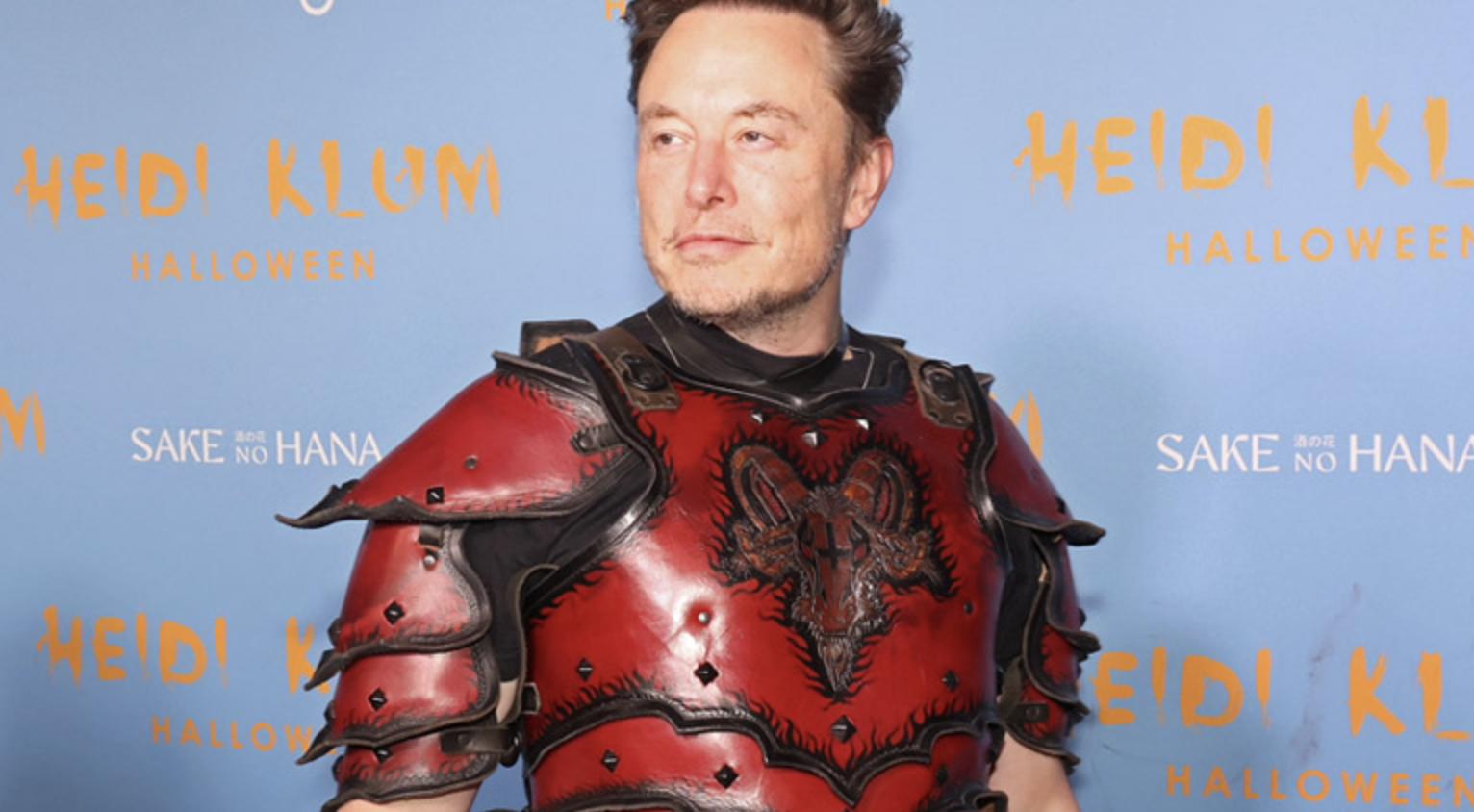


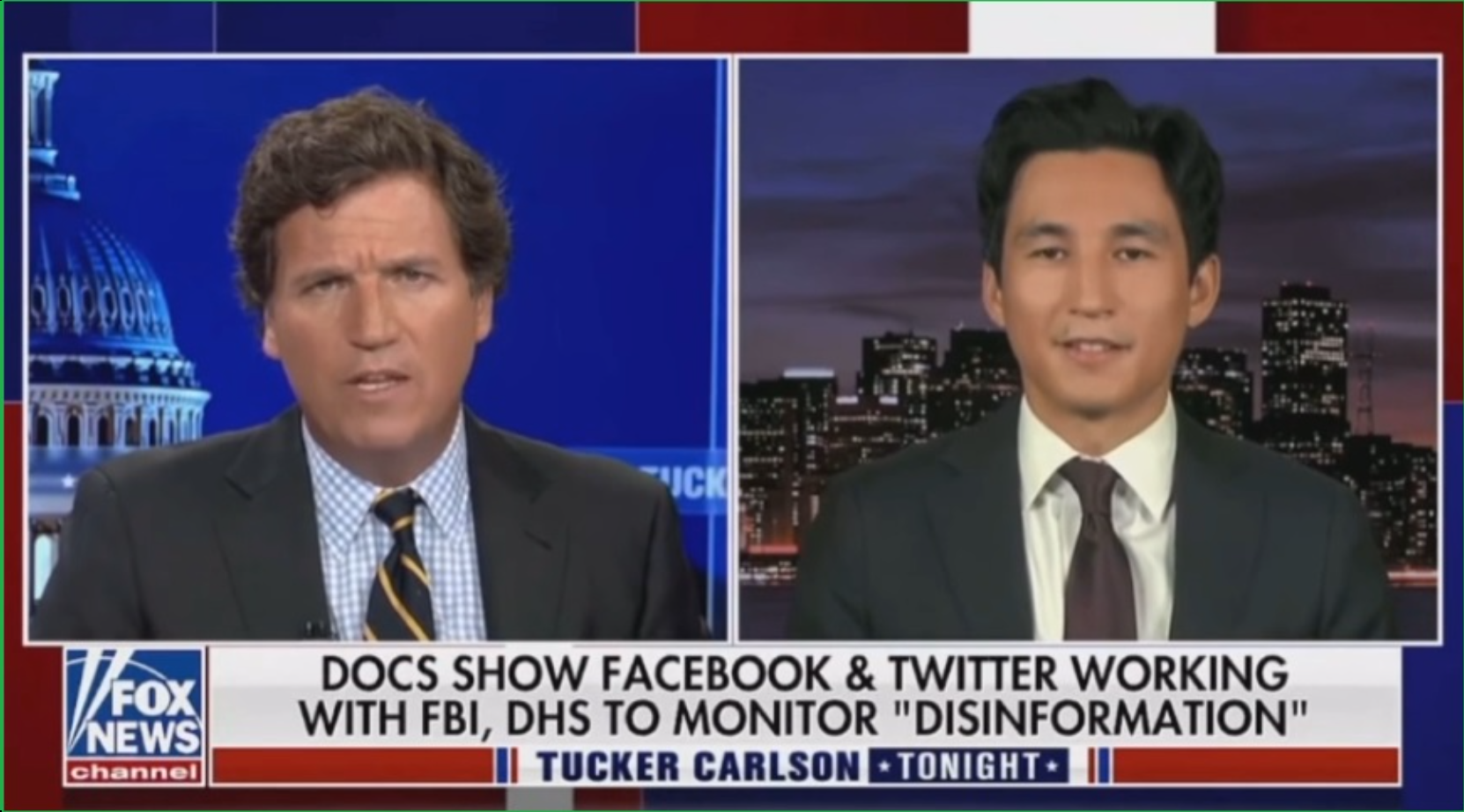




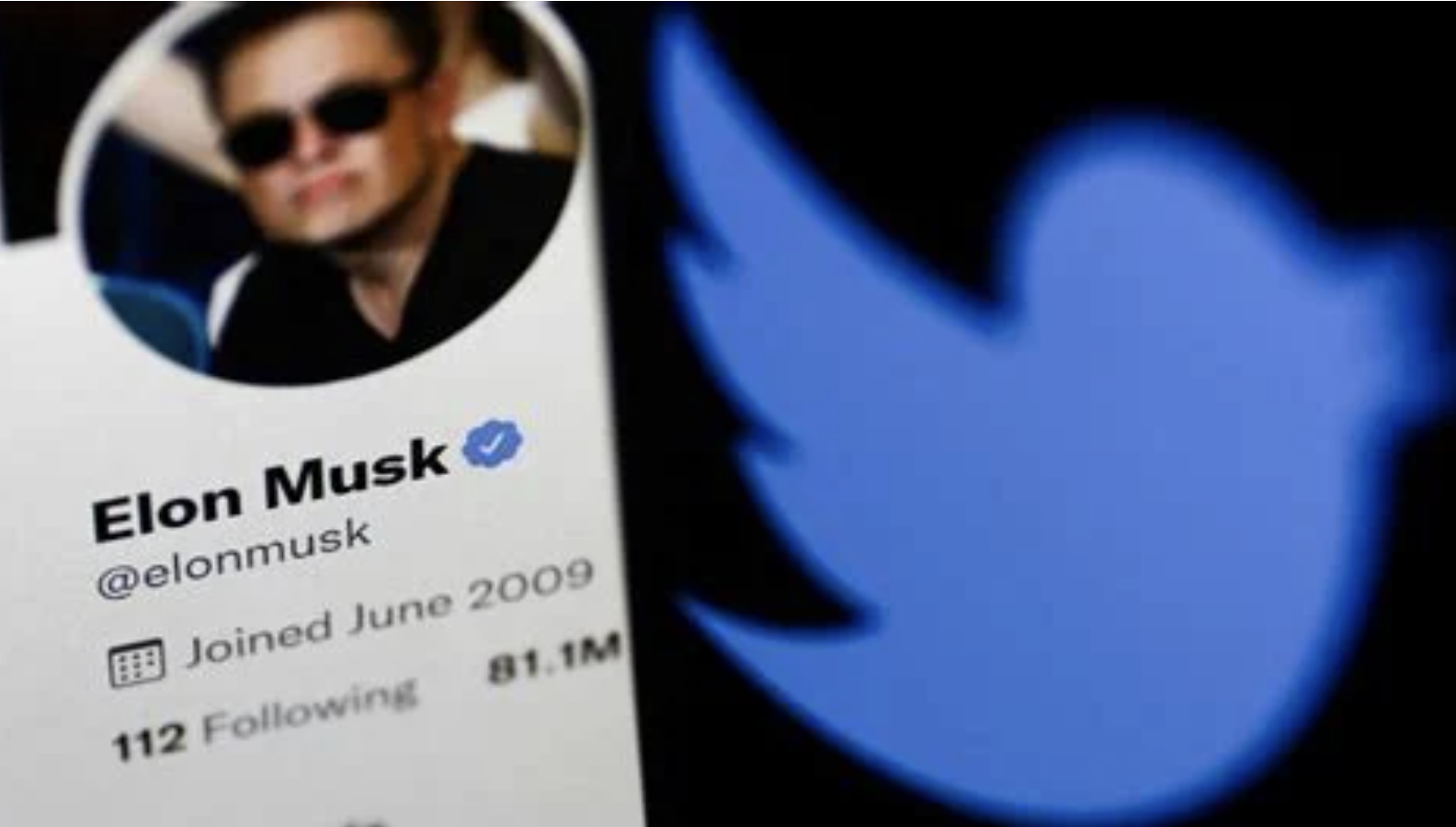
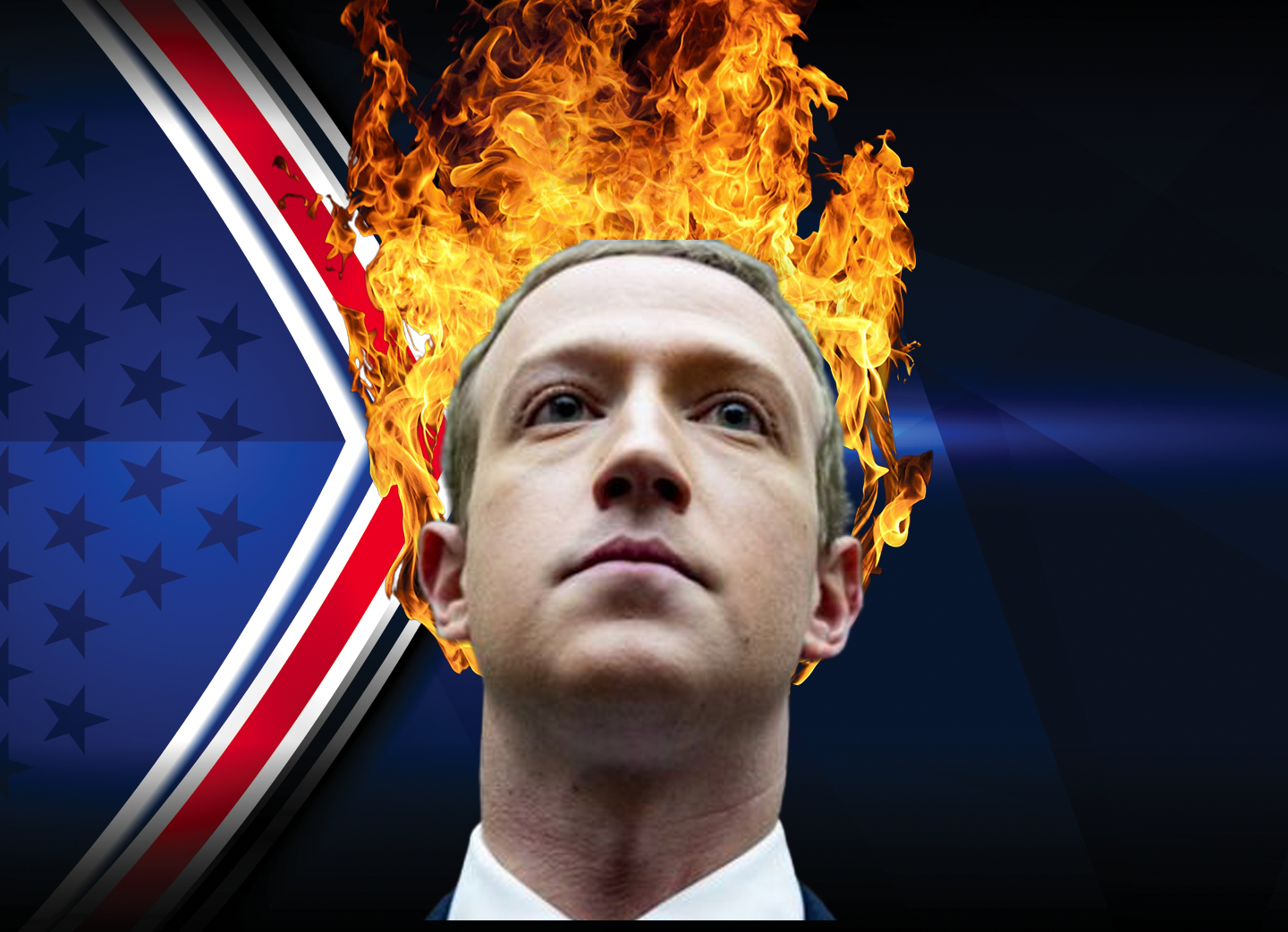


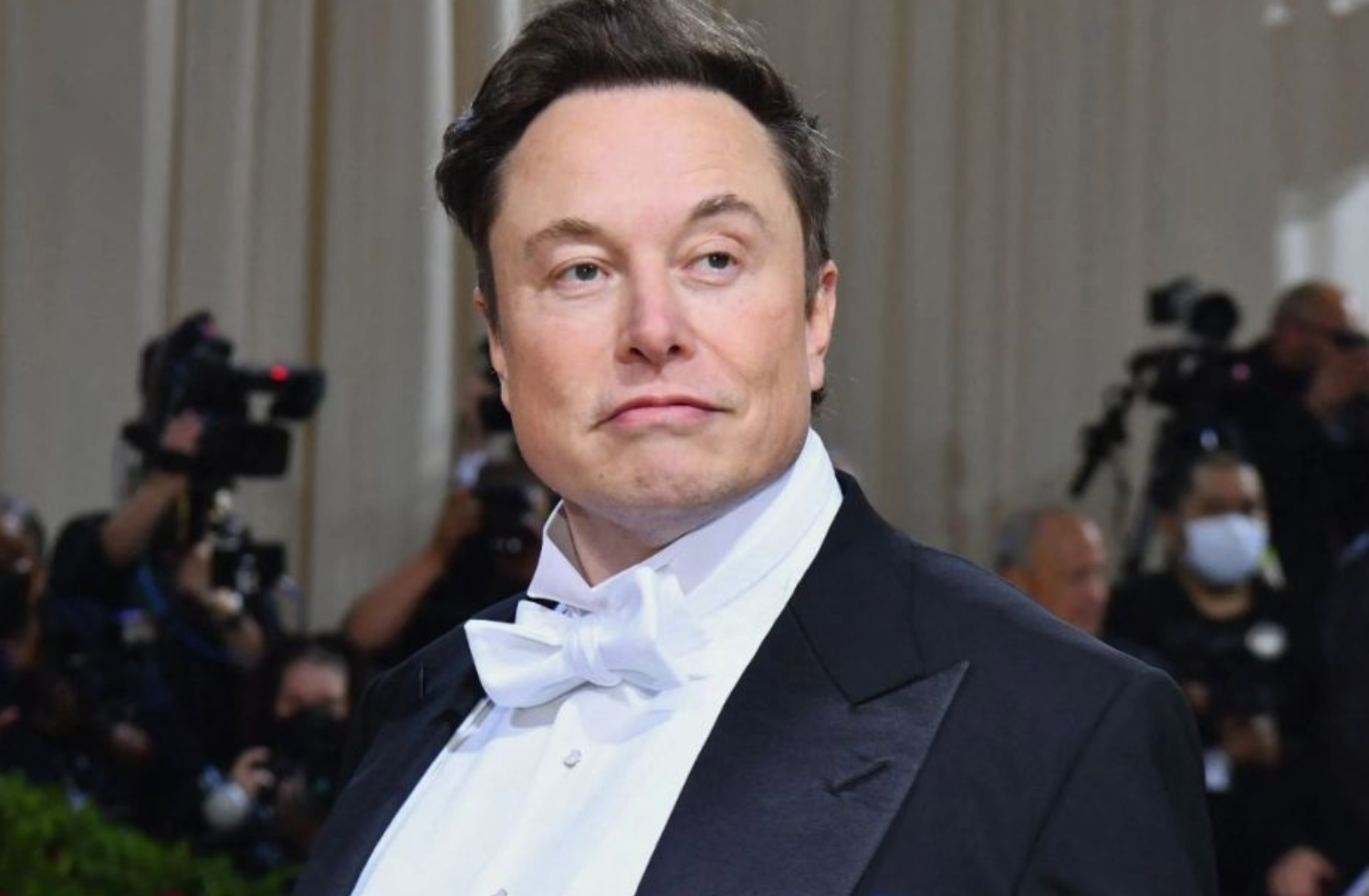

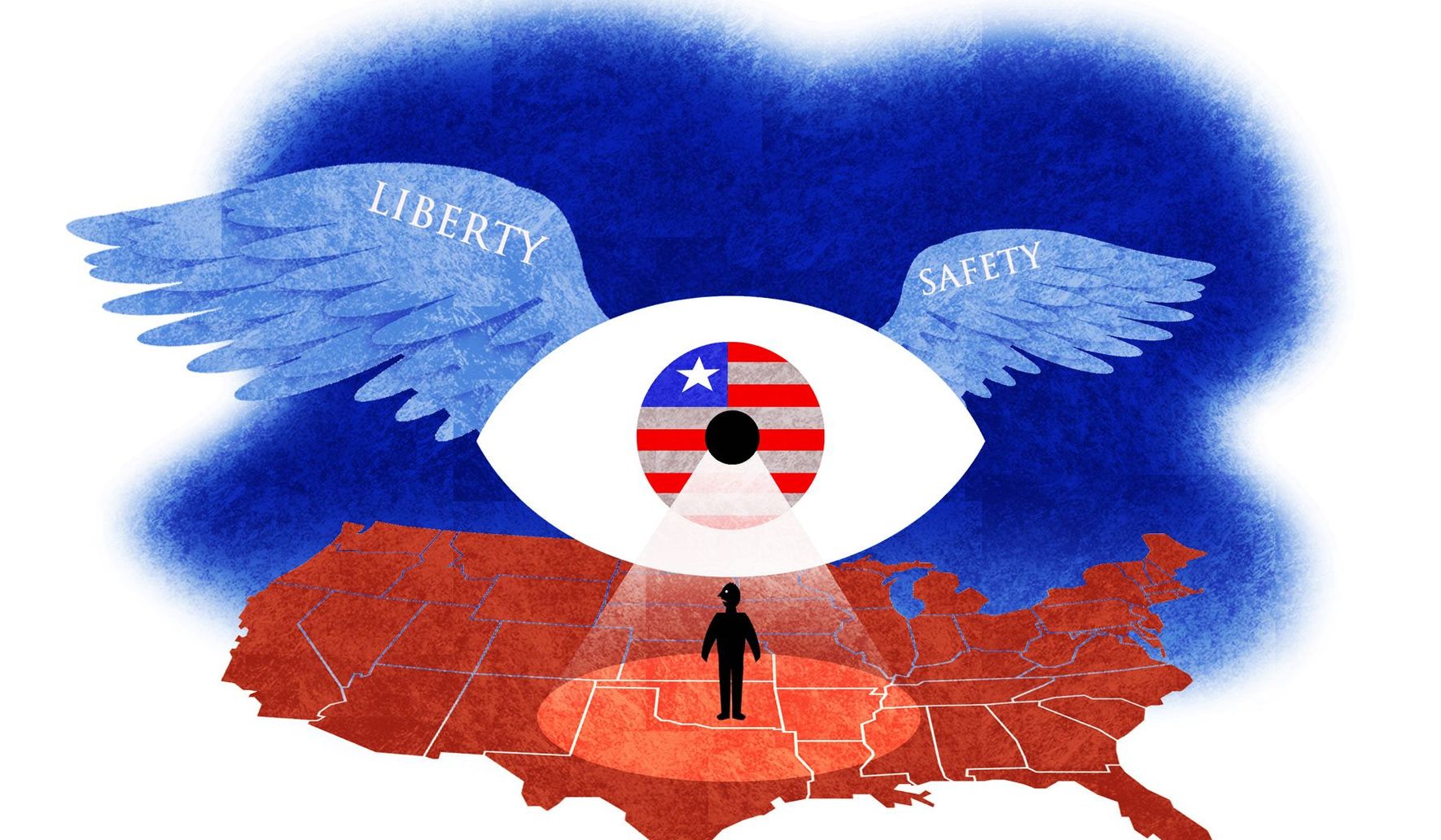


 It was during
 The people behind Obama, those same people now behind Joe Biden, knew from years of strategic planning that ‘radical transformation’ would require control over specific elements inside the U.S. government. Eric Holder played a key role in his position as U.S. Attorney General in the DOJ.

 THE TRAP – Many people say that Congress is the solution to eliminating the Fourth and superseding Branch of Government, the Intelligence Branch. This is an exercise in futility because the Legislative Branch, specifically the SSCI, facilitated the creation of the Intelligence Branch. The SSCI cannot put the genie they created back in the bottle without admitting they too are corrupt; and the background story of their corruption is way too intense to be exposed now.
 Tim Geithner was Treasury Secretary in 2010 when the joint DOJ/FBI and IRS operation to target the Tea Party took place after the midterm “shellacking” caused by the Obamacare backlash. Mitch McConnell was Minority Leader in the Senate but supported the targeting of the Tea Party as his Senate colleagues were getting primaried by an

 Through the advice and consent rules, the Intelligence Branch uses the SSCI to keep out people they consider dangerous to their ongoing operations. Any appointee to the intelligence community must first pass through the Senate Select Committee on Intelligence, before they get a full Senate vote. If the SSCI rejects the candidate, they simply refuse to take up the nomination. The president is then blocked from that appointment. This is what happened with President Trump over and over again.

 ♦ TECHNOLOGY – On a global scale – the modern intelligence gathering networks are now dependent on data collection to execute their intelligence missions. In the digital age nations have been executing various methods to gather that data. Digital surveillance has replaced other methods of interception. Those surveillance efforts have resulted in a coalescing of regional data networks based on historic multi-national relationships.


 The biggest names in Big Tech announced in June their partnership with the Five Eyes intelligence network, ultimately controlled by the NSA, to: (1) monitor all activity in their platforms; (2) identify extremist content; (3) look for expressions of Domestic Violent Extremism (DVE); and then, (4) put the content details into a database where the Five Eyes intelligence agencies (U.K., U.S., Australia, Canada, New Zealand) can access it.
 The volume of metadata captured by the NSA has always been a problem because of the filters needed to make the targeting useful. There is a lot of noise in collecting all data that makes the parts you really want to identify more difficult to capture. This new admission puts a new massive filtration system in the metadata that circumvents any privacy protections for individuals.